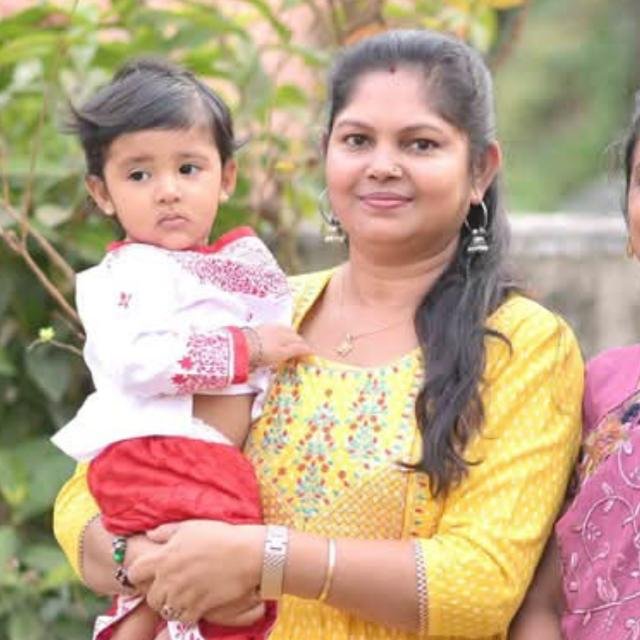
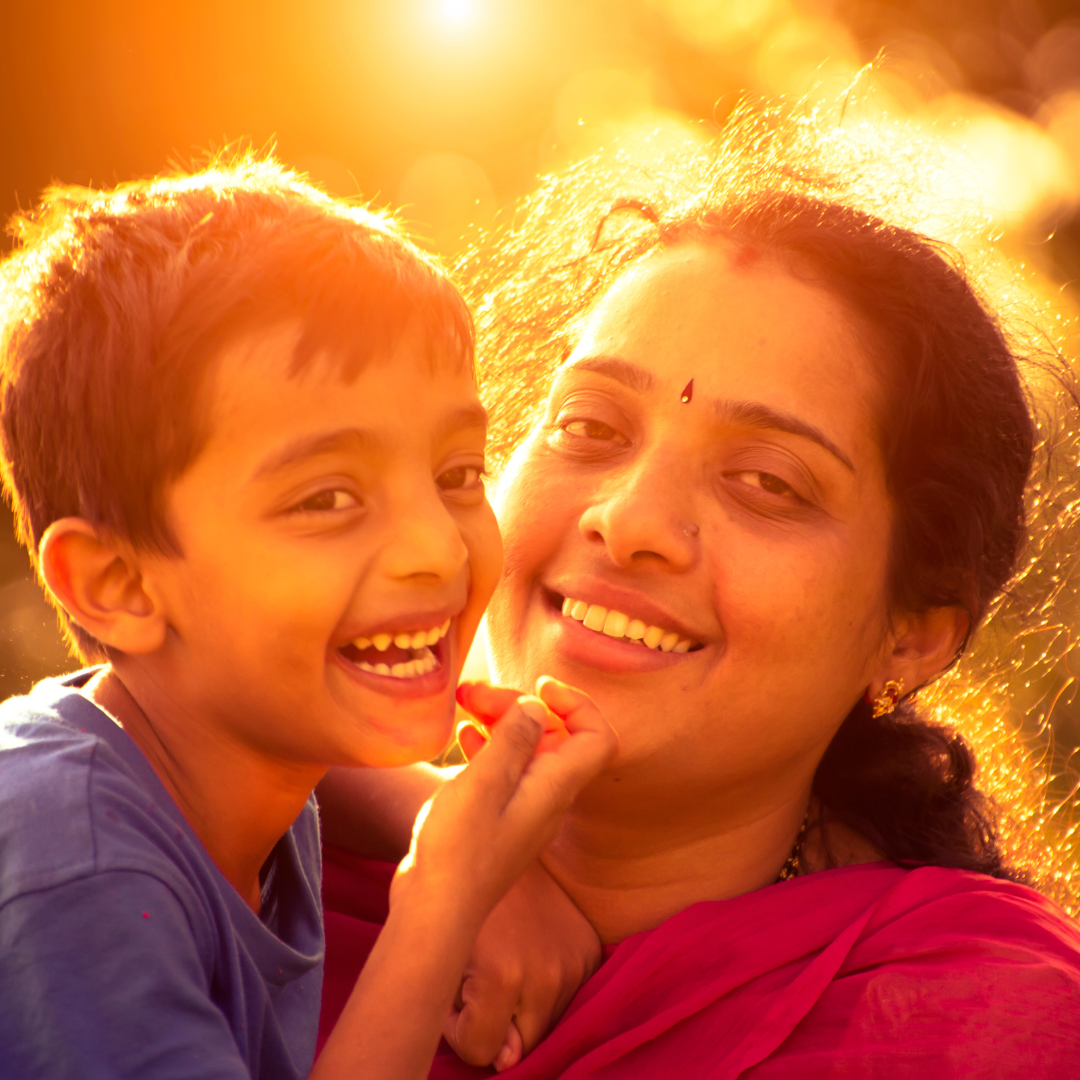
When my son, Rohan, was diagnosed with autism, I felt like the ground beneath me had shifted. As an architect, I was used to blueprints, structure, and predictability. But suddenly, I was navigating a world that had no clear guidelines, no set designs—just an expanse of unknowns.
Rohan was always different, in the most beautiful ways. While other children his age babbled and laughed in an endless stream of words, he was silent. His eyes, however, spoke volumes. He would spend hours lost in colors, filling pages with swirls of paint and delicate strokes of charcoal. Art was his language, his way of making sense of the world. But before I understood this, I struggled.
The diagnosis came when he was three. The doctor’s words felt heavy, almost final, as if they were drawing an invisible boundary between the life I had imagined and the life that was now unfolding. My mind raced—Would he ever talk? Would he make friends? Would the world be kind to him? I grieved for the expectations I had unknowingly placed upon him. And then, just as quickly, I felt ashamed of that grief.
But Rohan—my bright, beautiful boy—he never saw limits. His tiny hands painted stories I couldn’t hear but could feel. When words failed, his colors spoke. His sketches told me about his dreams, his fears, his love for the rustling trees and the gentle rain. One evening, as I watched him paint, I realized something profound—Rohan didn’t need fixing. He wasn’t broken. The world, however, needed reshaping.
That moment was my turning point.
If the world wasn’t built for Rohan, I would build spaces that welcomed him. As an architect, I had the power to influence environments, to create sensory-friendly spaces where children like him could thrive. I immersed myself in learning—about sensory needs, about inclusive design, about how colors and textures could comfort rather than overwhelm. My profession, once just a career, became a mission.
Beyond my work, I wanted to create a safe space for Rohan and children like him to express themselves. I started organizing art therapy sessions, watching as children who struggled with words found solace in colors. I saw parents, like me, wiping away silent tears as their children expressed emotions they had long struggled to communicate. I found a community, one that understood that inclusion isn’t about making space—it’s about embracing and celebrating differences.
Today, Rohan is seven. He still doesn’t speak, but he tells me stories every day—through every brushstroke, every sketch, every choice of color. And I listen. He has taught me that communication is not just about words; it’s about connection.
Being his mother has redefined my understanding of strength. It isn’t about pushing through difficulties alone—it’s about adapting, learning, and finding beauty in unexpected places. My journey with Rohan has been one of transformation, of shifting perspectives, of unlearning and relearning what truly matters.
If there’s one thing I hope other parents on this journey take away, it’s this: Our children are not defined by what the world labels as their limitations. They are defined by their strengths, their passions, their unique ways of seeing the world. And as parents, our job isn’t to mold them into someone else’s vision of success—it’s to walk beside them, hand in hand, and help the world see them for who they truly are.
Rohan reminds me every day that inclusion isn’t just a goal; it’s a way of life. Together, we are painting a new picture—one filled with understanding, love, and endless possibilities.