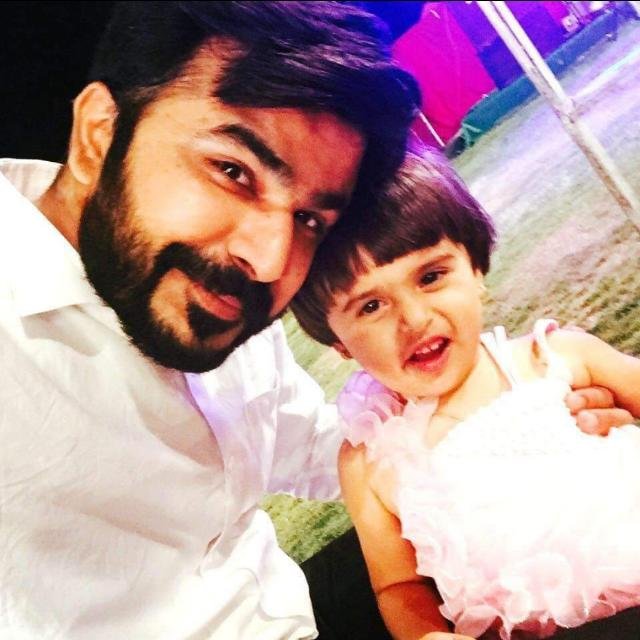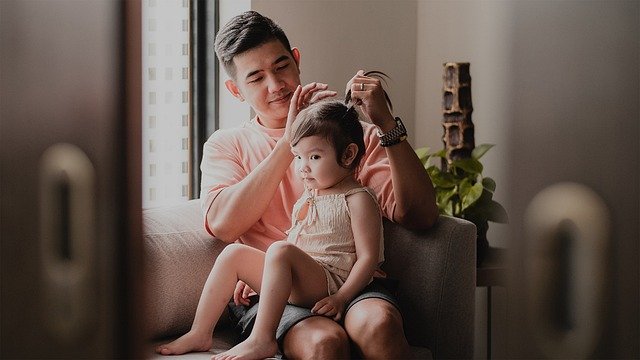
When my daughter Anya was diagnosed with autism, my world shifted. As an architect, I had spent years designing grand structures, but nothing prepared me for the intricate blueprint of parenting a neurodiverse child. The news came with a flood of emotions—fear, confusion, and a deep worry about what her future might look like.
Anya was different from other kids her age. While they chattered away, she remained quiet, absorbed in the world of letters and symbols. Her fascination with alphabets—whether English, Hindi, or even Japanese characters she saw on the internet—was remarkable. She would trace letters with her tiny fingers, as if she were unlocking a hidden code only she could understand. Though she struggled with verbal communication, her world was rich with meaning, expressed through gestures, eye contact, and the way her face lit up when she mastered a new word.
But the world outside our home wasn’t as kind. I noticed how anxious Anya became in crowded malls, how she flinched at loud noises in playgrounds, and how she hesitated to step into unfamiliar spaces. It broke my heart to see her struggle with environments that were not built for children like her.
Then one evening, after a particularly difficult outing where Anya had a meltdown in a noisy restaurant, I sat in my office, staring at a blank blueprint. A thought struck me—what if I could use my skills to make public spaces more inclusive? What if I could create an environment where kids like Anya didn’t have to struggle to feel safe and welcome?
That night, I began researching sensory-friendly architecture. I learned about quiet zones, soft lighting, textured walls, and how strategic designs could create comfort for neurodiverse individuals. The next morning, I approached my firm with a proposal: to integrate sensory-friendly designs into our projects. To my surprise, they supported the idea, and soon, I was leading my first project—a children’s library with a sensory-friendly reading space.
We designed quiet corners with noise-dampening walls, incorporated visual cues for navigation, and added cozy nooks with soft textures for children who needed a safe retreat. Anya, my biggest inspiration, became my little consultant. I watched how she responded to different materials, how she sought out calming colors, and how her face relaxed in spaces with controlled lighting.
The first time we walked into the completed library, she ran her fingers over the textured alphabet wall and traced each letter with delight. My heart swelled as I realized I had built something meaningful—not just for her, but for so many children like her.
This was just the beginning. I collaborated with schools to design inclusive classrooms, worked with city planners to introduce sensory-friendly parks, and advocated for quiet zones in public places. Each project felt like a step toward a world where Anya—and every child on the spectrum—could move freely without barriers.
Through this journey, I found my own transformation. What once felt like a daunting challenge became a purpose. Autism wasn’t something to ‘fix’—it was something to understand, to embrace, and to celebrate. Anya taught me that communication isn’t just about words; it’s about connection, about seeing the world through her eyes and meeting her where she feels safe.
Now, when I see a child sit comfortably in a sensory-friendly space we’ve designed, or when a parent thanks me for making their outings easier, I feel the weight of this work. And when Anya looks up at me with her big, knowing eyes, I see the unspoken words between us: Thank you for making the world a little easier for me, Papa.
I started this journey hoping to change the world for Anya. But in the end, she’s the one who changed me.