
- Aug 09, 2025
- 994 Views
- 0 Comments
Autism Spectrum Disorder (ASD) is as diverse as the people it touches — a spectrum of unique abilities, challenges, and ways of experiencing the world. While traditional therapies like speech, occupational, and behavioral interventions remain essential, a growing body of research and real-world success stories point to another powerful tool: movement.
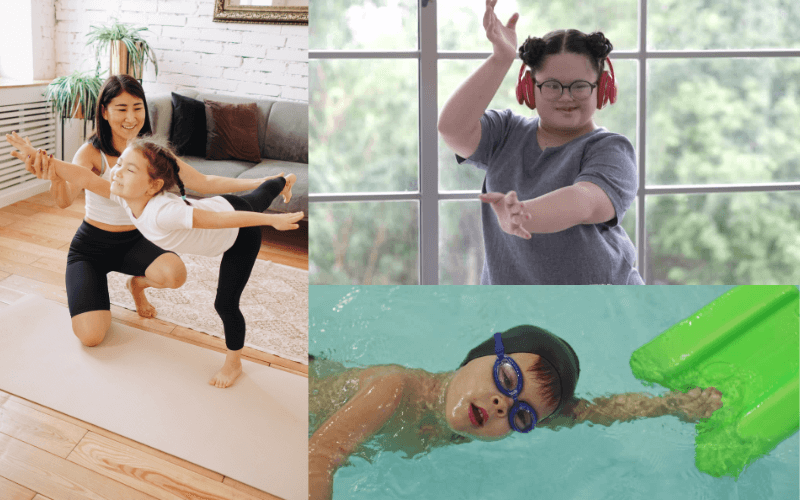
From the steady, mindful breathing of yoga to the joyous rhythm of dance and the structured skill-building of sports, movement therapies are proving to be much more than physical exercise. They create a safe space for self-expression, improve coordination, enhance sensory processing, and strengthen emotional regulation — all while fostering connection and confidence.
Moving Beyond Words: How Movement Therapies Helps Autism
Imagine living in a world where expressing how you feel is a constant uphill climb. Words sometimes slip away before you can grab them, and emotions feel like waves too big to ride. For many people with autism, this isn’t just an occasional frustration — it’s daily life. But here’s the beautiful part: communication doesn’t have to be about words alone. Movement, in all its forms — yoga stretches, the rhythm of dance, the joy of physical play — can open doors that speech sometimes cannot.
This is where movement-based therapies shine. They don’t just make bodies stronger — they make connections deeper, emotions freer, and confidence stronger.
Understanding Autism Spectrum Disorder (ASD)
What Autism Really Is
Autism Spectrum Disorder (ASD) isn’t a single condition — it’s a wide spectrum of neurodevelopmental differences that affect social interaction, communication, and behavior. Some individuals are highly verbal; others are non-speaking but communicate through gestures, pictures, or technology. Some need round-the-clock support; others live independently.
The key word is spectrum — because no two autistic people are exactly alike.
Neurological Basis and Why Movement Matters
Brain imaging studies have shown that autism often involves differences in connectivity between brain regions. Some areas may be overconnected, while others are underconnected. Movement, particularly structured movement, can help “rewire” pathways through neuroplasticity — the brain’s ability to form new connections in response to experience.
When a child practices yoga poses, repeats a dance sequence, or learns a sport, they’re not just building muscle memory. They’re literally strengthening the brain’s wiring for focus, coordination, and self-regulation.
Sensory Processing and Emotional Regulation Challenges
Many autistic individuals experience sensory processing differences — being hypersensitive or hyposensitive to sound, touch, light, or movement. These sensitivities can cause distress in everyday environments. Movement-based therapies can help desensitize or modulate these responses, giving the nervous system a “safe playground” to practice processing sensory input without overwhelm.
Why Movement-Based Therapies? The Science of Motion and Emotion
Brain-Body Connection in Autism
Our brains and bodies are in constant conversation. Movement stimulates dopamine, serotonin, and endorphin release — neurotransmitters that regulate mood, attention, and motivation. For autistic individuals who may struggle with emotional regulation, these “feel-good” chemicals can be game-changers.
Neuroplasticity and Motor Learning
Repetitive movement creates long-term changes in the brain. Just like learning to ride a bike or play an instrument, practicing specific movements in yoga, dance, or sports reinforces neural pathways. Over time, this can improve balance, coordination, and even non-motor skills like planning and problem-solving.
Movement as a Non-Verbal Language
Movement-based therapies offer a form of non-verbal communication that can be especially valuable for non-speaking individuals. A smile after completing a yoga pose, a shared rhythm in dance, or a high-five after a sports drill can be as powerful as a spoken “I did it!”
Yoga for Autism
Origins and Philosophy of Yoga
Yoga originated in India over 5,000 years ago as a practice to unite the body, mind, and spirit. Today, it’s used worldwide not just for fitness but for mental health, emotional regulation, and stress relief.
Scientific Benefits of Yoga in Autism
Research shows yoga can:
- Reduce anxiety and meltdowns
- Improve attention span
- Enhance proprioception (awareness of body position)
- Promote better sleep
- Lower stress hormone levels
For autistic individuals, the slow, predictable nature of yoga offers comfort and security — no sudden loud noises, no chaotic movements.
Sensory and Motor Benefits
Yoga helps with:
- Proprioception – knowing where the body is in space
- Vestibular input – improving balance through gentle inversions
- Motor planning – sequencing poses helps improve executive function
H2Practical Yoga Routines for Different Ages
Yoga is not a “one-size-fits-all” practice — especially for individuals with autism. The approach, duration, and complexity of poses should be tailored to age, attention span, and sensory preferences. Here’s how to adapt yoga for different life stages:
Toddlers – Turning Poses into Playtime
At this age, attention spans are short, so yoga should be play-based and sensory-rich.
- Tree Pose – Let toddlers imagine they are trees swaying in the wind.
- Cat-Cow Pose – Encourage them to meow and moo while moving through the stretch.
- Butterfly Pose – Have them “flap their wings” while seated to make it fun.
Why it works: Animal-themed yoga taps into their imagination, promotes motor development, and helps with body awareness in a way that feels like a game, not exercise.
School-Age Children – Building Structure and Breath Awareness
By this stage, children can handle slightly longer yoga sequences and start learning mindful breathing.
- Sun Salutations – Introduces a set routine that teaches sequencing and rhythm.
- Balloon Breath – They inhale deeply while pretending to fill up an imaginary balloon, then exhale to “let it float away.”
- Simple Balance Poses – Like Tree Pose with eyes closed for a challenge.
Why it works: Structured yoga improves focus, flexibility, and emotional regulation, while breath work helps them manage anxiety before tests, social situations, or bedtime.
Teens & Adults – Fostering Independence and Mindfulness
For older individuals, yoga can shift toward self-directed practice and deeper mindfulness.
- Warrior III – Enhances balance, core strength, and concentration.
- Mindfulness Meditation – Guided or silent practice to reduce stress and improve self-awareness.
- Flow Sequences – Vinyasa flows that link breath to movement for a calming, meditative effect.
Why it works: Older participants can explore yoga as a personal tool for stress relief, physical fitness, and emotional balance, building lifelong healthy habits.
Case Study: From Meltdowns to Mindfulness
Liam, age 9, had daily meltdowns after school. After three months of twice-weekly yoga, his parents noticed he could use breathing exercises to calm himself before frustration escalated. His teacher reported better focus in class, and Liam himself said, “I feel more in charge of my body now.”
Dance Therapy for Autism
Dance therapy — also known as dance/movement therapy (DMT) — harnesses the natural connection between music, movement, and emotion to support individuals on the autism spectrum. Unlike traditional dance classes focused on perfecting steps, dance therapy prioritizes self-expression, body awareness, and emotional well-being.
The Power of Music and Rhythm
Music isn’t just background noise — it’s a powerful neurological activator. When we hear music, both hemispheres of the brain light up, engaging areas responsible for movement, memory, and emotion. For individuals with autism, this dual activation creates an ideal setting for learning new motor skills because the brain is already primed and alert.
Rhythmic movement, such as stepping in time to a beat or clapping along with a song, helps improve:
- Timing – The ability to predict and respond to a pattern.
- Coordination – Connecting different parts of the body in sync.
- Speech rhythms – Since speech has its own musicality, practicing rhythmic movement can support clearer articulation and pacing.
Emotional Expression Through Dance
For many individuals with autism, expressing feelings verbally can be difficult. Dance therapy offers a non-verbal, judgment-free space where emotions can flow through movement.
- A child feeling frustrated may stomp their feet to release tension.
- Someone feeling joyful might spin or leap with energy.
- A teen feeling shy could sway gently, expressing calm or uncertainty without having to speak.
These movements allow emotions to be released physically, preventing internalized stress from building up.
Social Skills Enhancement in Group Dance Settings
When dance happens in a group, it becomes a social experience. Group dance encourages:
- Turn-taking – Waiting for your turn in a movement sequence.
- Mirroring – Copying another dancer’s movements, which builds empathy and perspective-taking.
- Shared attention – Focusing on the same beat or choreography as others.
These social skills, practiced in a fun and safe environment, often carry over into daily life.
Adaptive Dance Programs for Autism
Dance therapy for autism can be tailored to meet different needs, interests, and sensory preferences.
Ballet and Structured Movement
Ballet introduces discipline, posture, and sequencing. Its repetitive and predictable patterns can be especially helpful for children who thrive on routine and structure.
Hip-Hop and Freestyle Expression
Hip-hop’s dynamic beats and freestyle elements encourage creativity, confidence, and body autonomy. There’s no “wrong” way to move, making it a freeing experience for those who dislike strict rules.
Folk and Cultural Dance
Folk dances from various cultures promote community connection and cultural appreciation. Learning the origins of the dances also adds a storytelling element, which can increase engagement and understanding.
A Step-by-Step Guide for Parents to Try Dance Therapy at Home
Even without a formal therapist, parents can bring elements of dance therapy into the home. Here’s a simple way to get started:
Step 1 – Choose the Right Music
Pick music your child enjoys. Try different genres — soft classical for calm, upbeat pop for energy, or drumming beats for rhythm.
Step 2 – Create a Safe Space
Clear a small area free of obstacles. Make sure your child feels comfortable and unpressured to “perform.”
Step 3 – Start with Imitation
Begin by doing simple, repetitive moves (clapping, stepping side to side, swaying) and invite your child to copy you. Keep it light and playful.
Step 4 – Add Rhythm Games
Introduce clapping patterns or tapping sticks in time with the music. This helps develop timing and coordination.
Step 5 – Encourage Emotional Movements
If your child is upset, ask, “Can you show me how you feel with your body?” Guide them to stomp, sway, spin, or stretch as a release.
Step 6 – Explore Different Dance Styles
Try mini “dance adventures” — a ballet spin, a hip-hop bounce, a cultural folk step. See which ones your child connects with.
Step 7 – End with a Cool-Down
Use slow, calming music and gentle stretches to help your child relax before moving on to another activity.
Case Study: A Silent Boy Who Found His Voice Through Dance
Ethan, 11, rarely spoke in class. In a school dance therapy program, he began imitating moves and eventually started singing along to music — his first verbal expression in months.
Physical Activity and Sports for Autism
Movement is more than exercise — for individuals on the autism spectrum, it can be a pathway to confidence, social connection, and improved focus. Physical activity stimulates the brain, strengthens the body, and provides new ways to process sensory information. Whether it’s a playground game or a structured sport, the benefits go far beyond physical fitness.
From Small Movements to Big Confidence
Confidence doesn’t always come from winning trophies — sometimes it starts with the smallest steps. For a child with autism, simply climbing a ladder at the playground, catching a ball, or skipping across a room can be a huge achievement.
Each success builds:
- Self-esteem – “I can do this” moments stack up over time.
- Body awareness – Knowing how their body moves in space.
- Motor coordination – Strengthening the link between brain signals and muscle actions.
Think of these small victories as confidence deposits in a lifelong self-belief bank.
Sports That Work Best for Different Needs
Not every sport works for every child — but there’s something for everyone. The key is matching activities to sensory preferences, energy levels, and social comfort.
Swimming
Water offers calming sensory input that can help regulate the nervous system. The gentle resistance of water improves muscle tone, while rhythmic strokes enhance coordination and breath control.
- Bonus: Swimming is a low-impact activity, making it great for children who struggle with joint pain or fatigue.
- Martial Arts
- Disciplines like karate, taekwondo, or judo emphasize respect, structure, and self-control.
- Predictable routines help reduce anxiety.
- Belt progression systems provide clear goals and a sense of achievement.
- The practice of “katas” (set movement patterns) can improve memory and sequencing skills.
Team Sports with Modifications
While traditional team sports can be overwhelming, adapted formats make them accessible. For example:
- Smaller team sizes to reduce sensory overload.
- Extra breaks for regulation.
- Clear visual cues instead of only verbal instructions.
These adaptations allow children to enjoy the social side of sports without feeling excluded or overstimulated.
Role of Physical Activity in Reducing Stereotypic Behaviors
Stereotypic behaviors — such as hand-flapping, rocking, or spinning objects — are often ways of self-regulating sensory input. While these behaviors aren’t inherently “bad,” too much repetition can interfere with learning or social engagement.
Regular physical activity can help by:
- Providing alternative sensory experiences (e.g., the deep pressure of swimming, the rhythmic motion of cycling).
- Increasing dopamine and serotonin levels in the brain, improving mood and focus.
- Reducing stress, which often triggers repetitive movements.
Think of it as giving the brain a new sensory “playlist” — one that helps replace constant repetition with purposeful, enjoyable motion.
Case Study: How Martial Arts Helped a Child Self-Regulate
Sophie, 13, used to withdraw during stress. After starting karate, she learned breathing and grounding techniques that helped her manage anxiety in school.
Designing an Effective Movement-Based Program
- Collaborate between therapists, parents, and schools
- Set clear, measurable goals
- Allow structure and creative freedom
Cultural and Global Perspectives
- India – Yoga integrated into autism centers
- US & UK – Dance therapy in special education
- Australia – National adaptive sports programs
Common Myths About Movement Therapies
- “It’s just exercise” – Wrong. It’s neurological training.
- “Autistic kids don’t like group activities” – Many do, with the right setting.
- “Yoga and dance are too complex” – Not when adapted correctly.
At-Home Movement Activities for Parents
- Daily 15-Minute Routine – mix yoga, dance, and active play
- Household Props – cushions for balance, scarves for dance
- Fun First – keep sessions playful, not pressured
Future Directions and Research
- Virtual reality movement simulations
- AI-based therapy tracking
The Language of Movement is Universal
Movement-based therapies for autism are more than fitness activities — they’re bridges to connection, tools for emotional regulation, and doorways to self-discovery. Whether through yoga, dance, or sports, movement empowers autistic individuals to express themselves, build skills, and find joy in their bodies.






Post Your Comment