
- Nov 28, 2025
- 832 Views
- 0 Comments
Music is one of the most powerful tools we have for capturing attention, encouraging expression, and supporting learning. For children—especially those with diverse sensory needs—music becomes much more than entertainment. It becomes a bridge to communication, a calming emotional outlet, and a doorway to meaningful interaction.
When combined with rhythm toys, music transforms into a hands-on, sensory-rich experience that boosts engagement in ways traditional methods often cannot. Whether at home, in classrooms, or during therapy sessions, musical play fosters confidence, creativity, and connection.
Why Music Matters in Child Development
Children naturally respond to sound. Before they can speak, they recognize rhythms, tones, and patterns. Music activates imagination, sharpens listening skills, and strengthens cognitive growth. Because it stimulates multiple parts of the brain at once, it enhances memory, problem-solving, language development, and emotional understanding.
Think of music as a playground for the brain—it excites, organizes, and nurtures all at once.
The Unique Power of Rhythm in Learning
Rhythm gives structure. It helps children predict what comes next, which is incredibly comforting for those who thrive on routine. Matching beats supports the development of timing, sequencing, and coordination. Even simple rhythm patterns can help children stay focused, attentive, and involved.
How Music-Based Play Enhances Engagement
Not all children engage through words. Some engage through sound, movement, and tactile experiences. Music-based play captures attention quickly because it’s interactive, playful, and immediately rewarding. A child may ignore a toy—but rarely a drumbeat, a soft chime, or a shaker.
Music invites participation, even from children who may otherwise stay quiet or withdrawn.
The Science Behind Music and Engagement
How the Brain Responds to Music
Music lights up the brain like fireworks. It activates:
- The auditory system — listening and sound processing
- The motor cortex — movement, clapping, dancing
- The limbic system — emotions and bonding
- Memory centers — learning and recall
No other activity stimulates so many regions at once. This multi-activation is why music is such a powerful engagement tool.
Music as a Multi-Sensory Experience
Children don’t just hear music—they feel it. Vibrations, beats, rhythm patterns, and movements all combine to create a rich sensory experience. This is especially helpful for children who need more sensory input or struggle with traditional learning methods.
Why Rhythm Helps Improve Focus
Steady rhythm organizes the brain’s pathways, almost like hitting a "reset" button. Repetitive beats:
- Reduce overstimulation
- Encourage attention
- Support emotional grounding
- Improve concentration
This is why children often become more alert, calm, and connected when rhythm is introduced.
The Role of Music in Supporting Children With Autism
Music therapy is globally recognized as an effective support tool for autistic children. It offers emotional, sensory, and cognitive benefits through a safe, enjoyable medium.
Encouraging Communication Through Sound
Music helps encourage:
- Turn-taking
- Vocal experimentation
- Sound imitation
- Non-verbal communication
- Joint attention
Children often express more through rhythm and sound than through spoken words.
Building Emotional Expression
Music helps children identify, regulate, and express emotions. A slow drumbeat may calm a child, while an upbeat rhythm may encourage excitement and joy. Music becomes a tool for emotional exploration.
Reducing Anxiety and Creating Comfort
Predictable patterns soothe the nervous system. Many autistic children find comfort in repetition, and music naturally provides rhythm cycles that feel safe and familiar.
Introducing Rhythm Toys for Better Interaction
What Are Rhythm Toys?
Rhythm toys are simple instruments designed to make musical play easy and interactive. They produce predictable sounds and encourage sensory engagement. These toys include drums, shakers, bells, clappers, chimes, xylophones, and more.
Benefits of Using Rhythm Toys
Rhythm toys are more than musical instruments—they are developmental tools.
Improving Motor Skills
Tapping, shaking, or hitting instruments develops hand-eye coordination, fine motor strength, and bilateral hand use.
Boosting Sensory Awareness
Children learn through tactile, auditory, and proprioceptive input. Rhythm toys stimulate all three.
Encouraging Parent-Child Bonding
Music becomes a shared joy. Playing instruments together builds trust, cooperation, and emotional connection.
Best Music and Rhythm Toys for Engagement
Hand Drums
Easy to use and deeply sensory. Children love the vibration and control over sound intensity.
Maracas and Shakers
Immediate sound rewards make them ideal for beginners and toddlers.
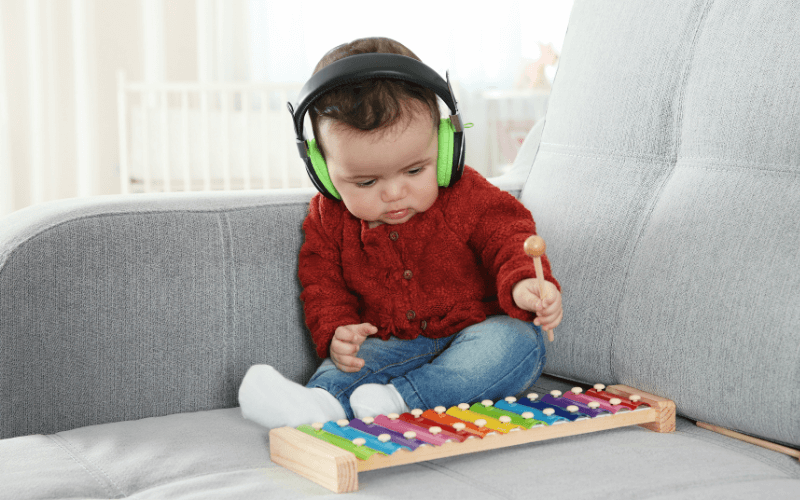
Xylophones
Great for exploring pitch, patterning, and sequencing.
Tambourines
Encourage movement, rhythm, and coordination.
Rainmakers and Sound Tubes
Soothing, calming, and perfect for sensory breaks.
Bells and Chime Bars
Bright and attention-grabbing—excellent for focusing activities.
How to Use Music and Rhythm Toys Effectively
Start Simple—Follow the Child’s Lead
Let children discover sounds before guiding them into structured activities.
Use Call-and-Response Games
This builds imitation, memory, and turn-taking.
Play to the Child’s Preferred Tempo
Some kids love fast beats; others prefer slow, gentle sounds. Adjust accordingly.
Pair Music with Movement
Marching, clapping, jumping, and swaying increase engagement and sensory input.
Keep Sessions Short But Frequent
5–10 minutes of daily musical play is more effective than one long session.
Fun Music Activities to Try with Kids
Create Your Own Rhythm Patterns
Try simple beats like:
Tap-tap pause… tap!
Encourage children to copy or create their own patterns.
Freeze Dance for Attention and Listening Skills
This fun game improves impulse control and listening.
Sound-Matching Games
Pair instruments with their recorded sounds or match them to images.
Emotion-Based Music Play
Use music to represent feelings—soft rhythms for calm, fast beats for excitement, low tones for sadness, etc.
Using Music in Classroom or Therapy Settings
Group Music Circles
Children sit in a circle, passing instruments, taking turns, and building social skills.
Storytelling with Instruments
Each instrument represents a character or action—kids stay engaged and activated.
Sensory Breaks with Rhythm Toys
Perfect during transitions or when children feel overwhelmed.
Tips for Parents and Educators
Choose Safe and Age-Appropriate Toys
Avoid sharp edges, small parts, and poor-quality instruments.
Encourage Free Expression
Allow children to explore sound without rules.
Celebrate Small Successes
Each sound, smile, or moment of attention is progress.
Maintain a Calm, Predictable Music Routine
Routine increases comfort, learning, and engagement.
Music and rhythm toys have incredible power to transform the way children engage with the world around them. They encourage expression without pressure, foster creativity without rules, and provide comfort without words. Whether supporting emotional regulation, improving attention, building communication skills, or simply creating a joyful moment—music remains one of the most accessible and effective tools for child engagement.
As children tap, shake, and play their way through musical experiences, they grow in confidence, awareness, and connection. With a few simple rhythm toys, any parent, educator, or therapist can turn engagement into a playful, sensory-rich experience that children genuinely enjoy.






Post Your Comment