
- Nov 18, 2025
- 872 Views
- 0 Comments
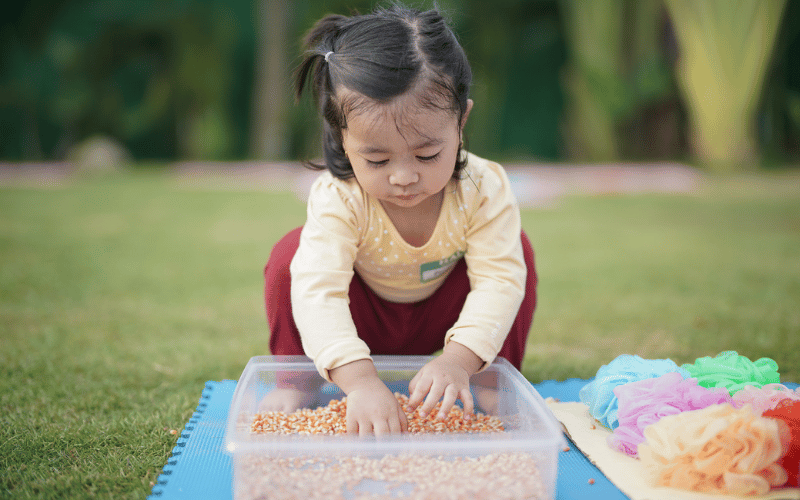
Sensory play is more than just fun—it’s therapy in disguise. It involves activities that stimulate a child’s senses through touch, sound, sight, movement, and even smell. These experiences are designed to help children with autism better understand, process, and respond to the world around them. From squeezing soft dough to watching glitter swirl in a calm jar, each sensory activity helps the brain build pathways that support learning, focus, and calmness.
Why Sensory Play Matters for Children with Autism
Autistic children often process sensory input differently. Bright lights, loud noises, or certain textures can feel overwhelming, while repetitive motions or deep pressure can be soothing. Sensory play gives them a safe space to explore these sensations, build tolerance, and gain control over their emotional responses. It acts as both a calming mechanism and a bridge to learning and communication.
Understanding Sensory Processing in Autism
The Science of Sensory Processing
Our sensory system constantly gathers information from the environment—through sight, sound, touch, taste, and movement. For many autistic children, this process is not seamless. Their brains may amplify or mute certain signals, creating sensory overload or under-responsiveness. This imbalance can influence behavior, focus, and social interactions.
Hypersensitivity vs. Hyposensitivity
Some children experience hypersensitivity—they find certain noises or lights unbearable. Others have hyposensitivity—they crave stronger input, like spinning, jumping, or squeezing tight hugs. Understanding where a child falls on this spectrum helps parents choose suitable sensory activities that calm rather than overstimulate.
Sensory Seeking and Avoidance Behaviors
Children might spin, flap, or jump repetitively to fulfill sensory needs (seeking), or avoid certain textures or sounds altogether (avoidance). Sensory play provides a balanced outlet for both, offering a safe environment for exploration and self-regulation.
The Science Behind Sensory Play
How the Brain Responds to Sensory Input
When a child engages in sensory play, their brain strengthens the connections between neurons—enhancing cognitive flexibility and emotional balance. This process, known as neuroplasticity, is vital for learning and adapting.
Research Evidence Supporting Sensory Integration Therapy
Studies have shown that regular sensory-based activities improve self-regulation, increase attention spans, and reduce challenging behaviors in children with autism. These improvements often lead to better participation in daily routines, therapy sessions, and academic settings.
Benefits of Sensory Play for Children with Autism
1. Enhancing Focus and Concentration
Activities like sorting colored beads, tracing patterns in sand, or building with textured blocks can train the brain to maintain attention for longer periods.
2. Reducing Anxiety and Emotional Distress
Sensory play often triggers the body’s relaxation response. Rhythmic actions like squeezing stress balls or using weighted blankets can lower cortisol levels and promote calm.
3. Improving Social and Communication Skills
When done in pairs or small groups, sensory play encourages turn-taking, imitation, and shared enjoyment—key steps toward social connection.
4. Supporting Physical and Cognitive Growth
Activities such as pouring, stacking, and kneading enhance coordination and fine motor control, laying the foundation for writing and self-care skills.
5. Fostering Confidence and Independence
When children master sensory tasks at their own pace, it boosts their self-esteem and reinforces positive behavior.
Different Types of Sensory Play
Tactile Play – Exploring Through Touch
This includes sand, clay, slime, or water tables. Tactile play enhances texture tolerance, fine motor strength, and sensory processing.
Auditory Play – Listening, Rhythm, and Sound
Exploring instruments, nature sounds, or soft background music can help children adjust to auditory variations and develop rhythm recognition.
Visual Play – Engaging with Colors and Movement
Using bubble tubes, color-sorting games, or light boards improves focus and visual tracking—skills essential for reading and comprehension.
Olfactory and Taste Play – Smells and Tastes that Teach
Safe scent jars or flavored sensory doughs can help children become more comfortable with new foods and smells.
Vestibular and Proprioceptive Play – Movement and Balance
Activities like swinging, jumping, or yoga build body awareness and help children regulate sensory input effectively.
Designing a Sensory-Friendly Environment
A sensory-safe environment can transform a child’s emotional landscape. Use soft lighting instead of harsh bulbs, add cozy textures like bean bags or rugs, and create a predictable layout that reduces sensory overload. Keep noise levels low and introduce calming scents like lavender to enhance relaxation.
DIY Sensory Play Ideas for Parents and Caregivers
- Sensory Bins: Fill a box with rice, pasta, or beans—add scoops, cups, and small toys for exploration.
- Calm-Down Bottles: Glitter, water, and a few drops of glue create a mesmerizing visual tool for emotional regulation.
- Textured Paths: Place mats, pebbles, and fabrics along a walking path for foot stimulation.
- Weighted Stuffed Animals: Provide deep pressure comfort and grounding.
- Nature Sensory Walks: Collect leaves, stones, or flowers to explore different textures and smells outdoors.
How to Integrate Sensory Play into Daily Life
Consistency is key. Short, frequent sensory sessions are more effective than occasional ones. Start mornings with stretching or gentle movement, use midday sensory breaks to reset focus, and end the day with calming sensory activities like dim lights and soft music.
The Role of Parents, Teachers, and Therapists
Every adult in a child’s environment plays a role in sensory development. Parents can model calm engagement, teachers can adapt classrooms with sensory corners, and therapists can tailor interventions to meet specific sensory profiles. Collaboration ensures continuity and progress across settings.
Common Challenges and How to Overcome Them
Some children may initially resist sensory play. Begin with familiar sensations, avoid overwhelming inputs, and give them control over participation. Always observe and respect cues—when they pull away or become distressed, take a break.
Sensory Tools and Products That Help
Tools like fidget spinners, compression vests, chewy jewelry, and weighted blankets can provide the right amount of sensory input to enhance calm and concentration. Classroom-friendly sensory seats or balance boards also encourage engagement during study time.
Real-Life Examples of Sensory Play Success
Families often report that introducing regular sensory play reduces meltdowns and helps children sleep better. Teachers notice improved classroom participation and social interaction. These small yet powerful changes accumulate into lasting developmental progress.
How to Measure Growth and Progress
Maintain a sensory journal—note reactions, preferred textures, and behavioral improvements. Over time, patterns emerge, guiding parents and therapists toward what works best. Progress might show up as longer play sessions, smoother transitions, or increased verbal engagement.
Sensory play bridges the gap between learning and calm. It nurtures a child’s mind, emotions, and body—helping them connect, communicate, and thrive in a world that sometimes feels overwhelming. By embracing sensory play with love, patience, and creativity, we help children with autism find balance, joy, and focus in their everyday lives.






Post Your Comment