
- Jul 21, 2025
- 3507 Views
- 2 Comments
What Are Sensory Breaks?: Sensory breaks are short periods of time in which children are allowed to engage in activities that help regulate their sensory systems. These activities are intentionally planned to calm or stimulate specific sensory inputs—such as touch, sound, movement, or visual stimuli—depending on the child’s individual needs.
It’s like pressing a reset button for the brain. Just as adults take coffee breaks or stretch after sitting too long, children—especially those with sensory processing differences—need similar opportunities to stay regulated and productive. Whether it's jumping, squeezing a stress ball, or taking a quiet moment in a sensory-friendly room, these small breaks can make a world of difference.
Why Sensory Breaks Matter in Today’s Classrooms: Today’s educational environments are fast-paced and multisensory by nature. With fluorescent lighting, background noise, rigid seating, and constant visual input from whiteboards and screens, students often face sensory overload. Add the pressure of academic performance and social interaction, and it’s no surprise that many children experience stress, burnout, or behavioral struggles.
Sensory breaks are not just about relaxation—they’re about re-engaging students in a way that respects how their brains function best. They’re a bridge back to focus, learning, and emotional balance.
The Science Behind Sensory Regulation
How the Brain Processes Sensory Input
Our sensory system processes information through sight, sound, smell, taste, touch, and body awareness (proprioception) as well as balance and movement (vestibular input). While most of us subconsciously filter unnecessary input, some children—especially those with autism or sensory processing disorders—struggle to do so.
When there’s too much input, the brain essentially goes into overdrive, sending signals of discomfort, anxiety, or panic. Imagine trying to concentrate while someone’s vacuuming next to you or flashing a strobe light in your eyes—that’s the sensory experience some kids endure in an ordinary classroom.
The Role of the Nervous System in Learning and Behavior
The autonomic nervous system governs our fight-or-flight responses. For children with heightened sensory sensitivity, this system can be activated frequently, even by benign classroom stimuli like a pencil dropping or another student whispering.
A child who appears distracted or misbehaving may, in reality, be trying to escape discomfort their body is experiencing. Sensory breaks give the nervous system a chance to rest, reset, and return to a “ready-to-learn” state.
Common Signs That a Child Needs a Sensory Break
Behavioral Cues in the Classroom
Some children struggle to verbalize what they’re feeling, so educators must become adept at reading nonverbal signs. Common signs include:
- Excessive movement, such as rocking or pacing
- Impulsivity, like shouting out or interrupting
- Inattentiveness, such as staring into space or fidgeting constantly
- Avoidance behaviors (e.g., asking to go to the bathroom frequently)
Emotional and Physical Indicators
- Clenched fists or tense posture
- Rapid breathing, restlessness, or red/flushed skin
- Sudden mood shifts, crying, or becoming unresponsive
- Complaints of headaches, stomachaches, or discomfort
Recognizing these signs early can prevent meltdowns and improve the overall classroom atmosphere.
Who Benefits from Sensory Breaks?
Children with Autism and ADHD
For children with autism, sensory input can be experienced intensely. Breaks help them prevent sensory overload, avoid meltdowns, and re-enter the classroom feeling regulated. Similarly, children with ADHD often benefit from movement-based sensory breaks that release built-up energy and improve concentration.
Neurotypical Students and the Universal Need for Regulation
Let’s not forget—sensory breaks are not exclusive to children with diagnoses. Every child can benefit from moments to refocus, especially in a world full of constant digital and academic stimulation. Integrating sensory support promotes equity and wellness for all learners.
Types of Sensory Breaks
Movement-Based Breaks
Movement is the fastest way to regulate sensory input. Examples include:
- Brain breaks with physical activity videos (like GoNoodle)
- Obstacle courses
- Stretching or yoga poses
- Jumping on a mini-trampoline
These breaks are especially effective for children who are under-responsive or hypo-sensitive.
Calming or Quiet Breaks
Ideal for children who are over-responsive to stimuli. Options include:
- Using a weighted blanket or lap pad
- Deep breathing exercises
- Drawing or coloring
- Relaxing in a dimly lit corner with soft textures
Tactile and Sensory Activities
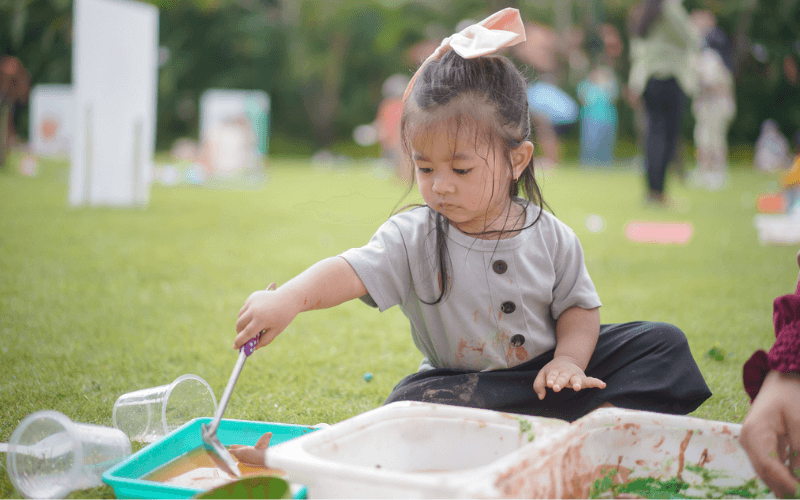
These engage the sense of touch and can be grounding:
- Playing with kinetic sand, slime, or putty
- Water play
- Finger painting
- Using sensory bins filled with rice, beans, or foam beads
Sensory Tools and Environments
Examples of Sensory Tools in Schools
Sensory tools should be accessible in classrooms or sensory corners. Popular items include:
- Resistance bands on chair legs
- Fidget cubes or fidget spinners
- Noise-reducing headphones
- Visual timers to give structure to breaks
These tools should be selected based on each child’s needs—not every tool works for every student.
Designing Sensory-Friendly Spaces
Every school should aim to have a sensory zone or calm-down space. These areas can include:
- Bean bags, tents, or cushioned floor mats
- Soothing lighting like lava lamps or fairy lights
- Minimal visual distractions and low noise
- Mirrors or tactile boards
A well-designed space signals to children that it's okay to take a moment for themselves.
Implementing Sensory Breaks in Schools
Scheduling Breaks Without Disrupting Academics
Rather than viewing sensory breaks as interruptions, consider them investments in learning. A 5-minute break can prevent 30 minutes of off-task behavior.
Some strategies:
- Use a visual schedule that includes regular breaks
- Incorporate sensory time during transitions
- Allow flexible seating for students to choose sensory-supportive spaces
Collaborating with Teachers, Therapists, and Parents
The best outcomes happen when everyone is on the same page. Teachers, occupational therapists, parents, and even the child should discuss and create a sensory plan. This could be formalized in an IEP (Individualized Education Program) or a classroom behavior support plan.
Challenges Faced by Educators
Misconceptions About Sensory Needs
Too often, educators misunderstand sensory breaks as a form of escape or avoidance. In reality, they are proactive tools for regulation and engagement. Educators must shift their mindset from "managing behavior" to "supporting regulation."
Lack of Training and Resources
Not every teacher is trained in sensory processing or behavior analysis. Schools need ongoing professional development, better funding, and access to specialists like occupational therapists and behavioral consultants.
Case Studies and Real-Life Success Stories
How Sensory Breaks Changed a Student’s Day
Liam, a 6-year-old with sensory processing disorder, used to scream during math class. His teacher noticed this happened after noisy lunchtime. By incorporating a 5-minute post-lunch sensory break in a quiet corner with play dough and soft music, Liam began participating in math calmly and consistently.
School-Wide Integration of Sensory Support
One school implemented "movement stations" in every hallway. Now, students with IEPs and even general education students can use these stations to jump, stretch, or squeeze resistance balls on their way to the restroom or library—no stigma, just support.
How Sensory Breaks Improve Academic Performance
Increased Focus and Attention
Research shows that regulated students retain information better, complete tasks with less distraction, and engage more in group work and discussions.
Reduced Behavioral Issues
Rather than reacting to meltdowns, teachers can prevent them by identifying early signs and offering a break. This minimizes class disruptions and reduces the need for disciplinary measures.
Sensory Breaks and Mental Health
Managing Anxiety and Emotional Dysregulation
When children feel overwhelmed, anxiety can skyrocket. Sensory tools like deep pressure, rhythmic movement, or calming visuals can instantly bring their nervous system back to baseline.
Building Self-Awareness in Children
As children grow, sensory breaks teach them how to identify their needs and advocate for themselves. It's emotional intelligence in action—and it's a skill that benefits them for life.
Sensory Breaks and Inclusion
Fostering a More Understanding and Supportive Classroom
When sensory breaks are part of the norm, kids feel seen—not singled out. It builds classroom culture around empathy and mutual respect.
Promoting Empathy Among Peers
Many schools now teach peers about sensory differences through storytelling, videos, or inclusion workshops. Understanding creates allies—not bullies.
How Parents Can Support Sensory Breaks at Home
Creating a Routine That Mirrors School Breaks
Try short sensory breaks during homework time. Use movement, visuals, or tactile play. Simple routines like jumping jacks before reading or squeezing a stress ball during writing can improve focus.
Advocating for Your Child's Needs
If your child benefits from sensory breaks at home, ensure those needs are communicated to their teachers and support team. Be part of their sensory journey by sharing observations and suggesting tools that work.
Future of Sensory Support in Education
The Role of Policy and Advocacy
Advocates are pushing for mandatory sensory training for educators, funding for sensory rooms, and IEP requirements that address sensory regulation. The goal? Normalize sensory breaks as standard learning accommodations.
Integrating Technology with Sensory Strategies
Sensory-friendly apps, wearable tech that detects stress levels, and virtual sensory rooms are part of the next wave. Technology is making it easier to track and meet students' sensory needs in real time.
Sensory breaks are not just about rest—they're about restoring a child’s ability to think, learn, and connect. Whether it’s a moment of calm or a burst of movement, these breaks empower children to feel more in control of their bodies and emotions. When we build schools that honor the sensory needs of every child, we create a space where all students can thrive.






Comments - 2 comments till now
Lalit Routray
Parent/ Care-giver Professional B GInformative Article.
Lalit Routray
Looking fwd for more.