
- Aug 13, 2025
- 2829 Views
- 0 Comments
Autism Spectrum Disorder (ASD) affects how a person communicates, interacts, and processes the world around them. While every autistic individual is unique, some common challenges include sensory overload, difficulty expressing needs, and safety concerns such as wandering. This is where wearable technology steps in—offering innovative ways to monitor behavior and enhance safety without compromising independence.
Understanding Autism and Its Challenges
Autism can involve heightened or reduced sensory sensitivity, difficulty understanding social cues, and repetitive behaviors. Caregivers often face challenges in predicting meltdowns, ensuring safety, and maintaining effective communication—especially in public spaces.
The Role of Technology in Autism Support
From speech-generating apps to smart home integrations, technology has long supported individuals with autism. Wearable tech, however, offers a more personal, discreet, and real-time form of assistance.
What is Wearable Technology for Autism?
Wearable technology refers to electronic devices worn on the body that collect and transmit data or provide alerts. For autism, these devices are designed with features that address behavioral tracking, safety, and communication needs.
Types of Wearable Devices for Autism
GPS Trackers
These are small, wearable devices—often worn like a watch, pendant, or clipped to clothing—that use GPS technology to track the wearer’s location in real-time.
- Purpose: They help caregivers quickly locate an individual if they wander or get lost, which is a common safety concern for some autistic individuals.
- How it works: Caregivers can monitor location through a connected smartphone app and receive alerts if the person goes beyond a set safe area (geo-fencing).
Smartwatches
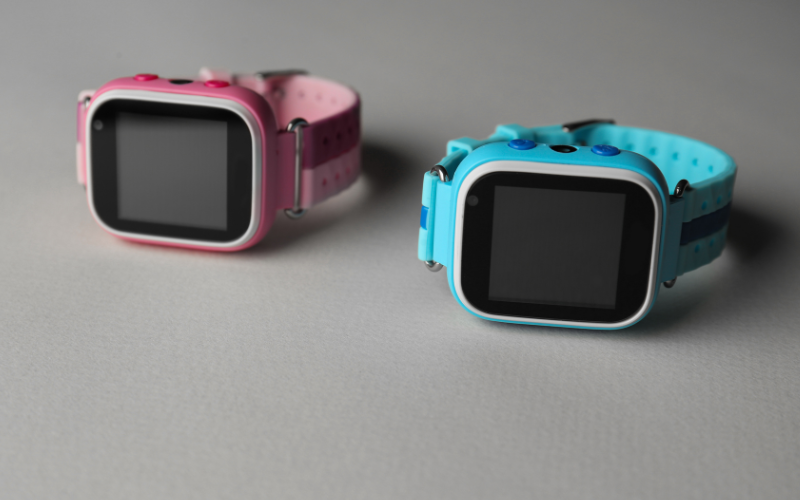
Smartwatches designed for autism are more than just a timepiece—they can be a multi-functional tool.
- Purpose: They assist with time management, send reminders (for medication, routines, or activities), and even allow communication through text-to-speech or preset messages.
- How it works: Some smartwatches can connect to a caregiver’s phone for two-way communication, while others integrate visual schedules to help the wearer follow daily routines independently.
Sensory-Responsive Devices
These are wearable tools designed to help manage sensory overload, a common challenge for people with autism.
- Purpose: They provide calming input, such as gentle vibrations, soothing sounds, or light pressure, to help reduce anxiety during overwhelming situations.
- How it works: The device detects stress (through movement, heart rate, or manual activation) and responds with the selected sensory stimulus to help the wearer feel calmer.
Health Monitoring Bands
These are fitness band-style wearables that track physical and emotional well-being.
- Purpose: They monitor health indicators such as heart rate, skin temperature, and sometimes even oxygen levels—helping caregivers spot early signs of stress or anxiety.
- How it works: Data collected by the band is sent to an app, where patterns can be analyzed to better understand triggers and improve support strategies.
Benefits of Wearable Tech for Autism
Monitoring Behavior in Real-Time
Wearable devices continuously track certain physical and behavioral signals, such as movement patterns, heart rate, and stress indicators.
- Why it matters: Sudden changes—like an increased heart rate or restless movements—can signal emotional distress, sensory overload, or the start of a meltdown.
- Impact: Caregivers can respond quickly before the situation escalates, making interventions more effective.
Enhancing Safety and Reducing Risks
Many wearables have GPS tracking and geo-fencing features that define a “safe zone” (e.g., home, school grounds).
- Why it matters: Wandering or elopement is a common safety concern for some autistic individuals.
- Impact: If the wearer leaves the safe area, the device sends an instant alert to the caregiver, allowing for a quick response.
Improving Communication and Independence
Some devices are equipped with communication features, like quick alert buttons, text-to-speech options, or pre-programmed messages.
- Why it matters: This helps individuals who may struggle with verbal communication express needs or call for help.
- Impact: It promotes independence, as the wearer can communicate directly without needing constant supervision.
Providing Peace of Mind for Caregivers
The ability to check the wearer’s location, activity, and well-being at any time reduces caregiver anxiety.
- Why it matters: Parents and guardians often worry about safety and health, especially when their loved one is outside their immediate supervision.
- Impact: Continuous monitoring allows caregivers to feel more confident and reassured, which can also improve family quality of life.
Key Features of Wearable Devices for Autism
GPS Tracking and Geo-Fencing
This feature uses location technology to track where the wearer is at any given moment. Geo-fencing allows caregivers to set virtual “safe zones,” such as home, school, or a playground.
- Why it matters: Wandering can be a major safety risk for some autistic individuals.
- Impact: If the wearer leaves the safe zone, the device sends an instant alert so caregivers can respond immediately and locate them quickly.
Heart Rate and Stress Monitoring
These wearables can measure the wearer’s heart rate, skin temperature, or other physical indicators of stress.
- Why it matters: A sudden increase in heart rate or change in body temperature can signal anxiety, sensory overload, or an approaching meltdown.
- Impact: Caregivers can take preventive action—such as moving to a quieter space—before the situation escalates.
Sensory Feedback Systems
Some devices provide calming sensory input, like gentle vibrations, soft lights, or soothing sounds, when the wearer is stressed.
- Why it matters: Sensory overload can make everyday environments overwhelming.
- Impact: The feedback helps regulate emotions and create a sense of calm, allowing the wearer to stay engaged in the activity or environment.
Emergency Alert Buttons
A simple button on the device allows the wearer to send an alert or call for help instantly.
- Why it matters: In an emergency, quick communication is crucial—especially for those who have difficulty speaking under stress.
- Impact: Caregivers can respond immediately, reducing the risk of harm or prolonged distress.
How Wearable Tech Helps in Behavior Monitoring
Tracking Daily Activities
Wearable devices can record movement patterns, physical activity, and sometimes even sleep cycles throughout the day.
- Why it matters: Many autistic individuals thrive on routine. Changes in movement patterns—like being unusually still, restless, or less active—can indicate emotional distress, illness, or discomfort.
- Impact: Caregivers can spot these changes early and check if something in the person’s environment or schedule needs attention.
Detecting Early Signs of Meltdowns
Some wearables track physiological signals such as increased heart rate, faster breathing, or rising skin temperature.
- Why it matters: These changes often happen before visible signs of stress or meltdown occur.
- Impact: Caregivers can step in early—perhaps by removing the wearer from a noisy environment or offering a calming activity—before the situation escalates.
Data-Driven Behavior Analysis
The information collected over days or weeks builds a detailed picture of the wearer’s patterns and triggers.
- Why it matters: Understanding what events or environments consistently cause stress can help create more effective support plans.
- Impact: Therapists, teachers, and parents can use this data to make informed decisions—such as adjusting routines, modifying environments, or teaching coping strategies.
Safety Improvements Through Wearable Devices
Preventing Wandering
Some wearable devices have GPS tracking with geo-fencing technology, which allows caregivers to set safe zones (like home, school, or playground).
- Why it matters: Wandering, also known as “elopement,” is a common safety concern for some autistic individuals and can put them in dangerous situations.
- Impact: If the wearer steps outside the set safe zone, the device sends an instant alert to the caregiver’s phone so they can act immediately to bring the person back to safety.
Rapid Emergency Response
Certain wearables have built-in SOS or emergency call features that directly connect the wearer to a pre-set emergency contact or even emergency services.
- Why it matters: In urgent situations—such as feeling unsafe, getting lost, or having a medical emergency—quick communication can save valuable time.
- Impact: Help can be reached faster, reducing risks and ensuring the person receives immediate support.
Real-Time Alerts for Caregivers
These devices send instant notifications if they detect unusual activity, sudden changes in location, or signs of distress.
- Why it matters: Caregivers don’t have to constantly watch the device’s app—they get notified only when something important happens.
- Impact: This allows caregivers to respond quickly without having to hover constantly, giving the autistic individual more independence while keeping them safe.
Real-Life Applications and Case Studies
School Environments
Wearable devices can help teachers and school staff keep track of students’ emotional and physical well-being throughout the day.
- Why it matters: Some autistic students may not be able to verbally express when they’re feeling stressed, overwhelmed, or unwell.
- Impact: If the device detects rising stress levels or unusual movement patterns, teachers can step in early—perhaps by offering a break, a quiet space, or sensory support—before the situation turns into a meltdown or a safety issue.
Home and Community Use
Parents and caregivers can monitor a child’s well-being even when the child is outside playing, at a friend’s house, or with another family member.
- Why it matters: This allows children more freedom and independence while ensuring that caregivers can respond quickly if something unusual happens.
- Impact: Parents can receive real-time updates on location, activity, or distress signals, giving them peace of mind without limiting the child’s social and play opportunities.
Travel and Public Outings
During trips to busy places like malls, amusement parks, or festivals, wearable devices can help prevent wandering incidents.
- Why it matters: Crowded environments can be overwhelming and increase the risk of an autistic individual getting separated from their group.
- Impact: GPS tracking allows caregivers to locate the person instantly, and geo-fencing alerts them if the individual moves too far from a designated area—making outings safer and less stressful for everyone.
Limitations and Concerns
Privacy and Data Security
Wearable devices often collect sensitive information, such as location, health metrics, and daily routines.
- Why it matters: If this data is not properly protected, it could be misused, hacked, or shared without permission.
- Impact: Families and caregivers need to ensure the device follows strict security standards, uses encryption, and allows control over who can access the information.
Device Comfort and Acceptance
Some autistic individuals have strong sensory sensitivities and may find wearable devices uncomfortable due to their texture, weight, or tightness.
- Why it matters: If a device feels irritating or restrictive, the wearer may refuse to use it, making it ineffective.
- Impact: It’s important to choose wearables with adjustable straps, lightweight materials, and sensory-friendly designs to improve acceptance.
Cost and Accessibility Issues
High-quality wearable devices with advanced features like GPS, stress monitoring, and sensory feedback can be expensive.
- Why it matters: Not all families can afford them, and many insurance plans do not cover such devices.
- Impact: This can limit access to technology that could greatly improve safety and quality of life, especially for lower-income households.
Future Trends in Wearable Tech for Autism
AI-Powered Behavior Prediction
Artificial Intelligence (AI) can process large amounts of data collected from wearable devices—such as heart rate, movement, and stress levels—to identify patterns.
- Why it matters: Over time, AI can learn to predict when an emotional or behavioral change, like a meltdown or anxiety spike, is likely to happen.
- Impact: This allows caregivers and the wearer to take preventive action early, reducing stress and improving daily life.
Integration with Smart Homes
In the future, wearable devices could connect directly to smart home systems.
- Why it matters: If the wearable detects rising stress, it could automatically adjust the environment—like dimming the lights, playing calming music, or lowering room temperature.
- Impact: This real-time response can help create a sensory-friendly space instantly, reducing discomfort and preventing overload.
Advanced Sensory Management Features
Next-generation wearables may offer more personalized and adaptive sensory support.
- Why it matters: Current sensory features are often static (like set vibration patterns). Future devices might automatically adjust based on the wearer’s stress signals.
- Impact: The device could provide the exact type and intensity of calming input needed in that moment, making it more effective in supporting emotional regulation.
Tips for Choosing the Right Wearable Device
Matching Features to Individual Needs
Every autistic individual has different challenges, preferences, and goals—so one device will not work for everyone.
- Why it matters: A child who often wanders might benefit most from strong GPS tracking, while another who struggles with anxiety may need stress monitoring or sensory feedback features.
- Impact: Choosing a device that matches specific needs ensures it will actually help improve safety, communication, or comfort rather than becoming an unused gadget.
Testing for Comfort and Usability
Many autistic individuals have sensory sensitivities, so the way a device feels on the skin can determine whether they’ll wear it.
- Why it matters: A wearable that’s too heavy, itchy, or tight may cause discomfort and refusal to use it.
- Impact: Trial periods or adjustable straps/materials allow you to test the device in real-life situations to make sure it’s both comfortable and practical.
Checking Compatibility with Other Tools
Some wearables work best when linked with specific apps, smartphones, or therapy software.
- Why it matters: If the device doesn’t connect with the tools you already use (like therapy tracking apps or parental control systems), you may lose important features.
- Impact: Ensuring compatibility makes it easier to integrate the wearable into the person’s daily routine and existing support system, increasing its usefulness.
Wearable technology is transforming autism care by bridging safety, independence, and behavioral support. While it cannot replace human connection and understanding, it acts as a powerful ally for individuals, families, and caregivers. With thoughtful selection and proper use, these devices can make life safer, calmer, and more empowering for those on the autism spectrum.






Post Your Comment