
- Aug 29, 2025
- 2074 Views
- 0 Comments
Autism is often misunderstood, as conversations tend to focus on challenges, difficulties, and differences. Yet, behind these narratives lies an incredible truth: autistic individuals possess remarkable strengths that enrich families, workplaces, communities, and society as a whole. These strengths are not simply coping mechanisms—they are innate abilities that deserve recognition, celebration, and respect. By shifting the conversation from limitation to empowerment, we begin to see autism as a powerful expression of neurodiversity, brimming with unique gifts that can change the world.
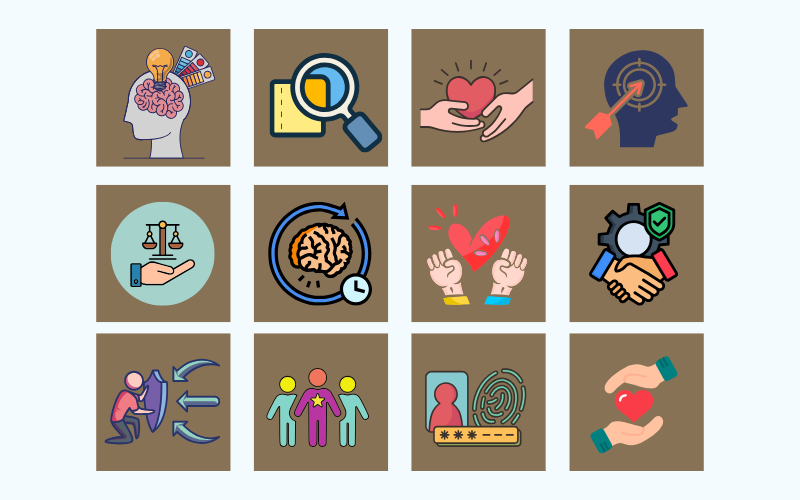
In this expanded article, we will explore the profound autistic strengths of individuals—including creativity, thoroughness, kindness, deep focus, integrity, memory, passion, reliability, resilience, uniqueness, authenticity, and loyalty. We will also discuss how these strengths manifest in real-life scenarios, how society can embrace them, and why empowering autistic voices is essential for building inclusive, compassionate communities.
Why Society Must Value Autistic Strengths
Too often, conversations around autism focus primarily on limitations, overlooking the fact that individuals on the spectrum bring remarkable talents, perspectives, and contributions to society. When we shift the narrative from "deficit-based" to "strength-based," we not only empower autistic individuals but also create richer, more inclusive communities.
Autistic people often excel in areas like analytical problem-solving, pattern recognition, memory retention, and creative innovation. These skills are highly valuable in today’s world, where industries such as technology, research, design, and the arts thrive on unique perspectives. By recognizing and nurturing these abilities, society can benefit from fresh solutions and diverse ways of thinking.
Valuing autistic strengths also reduces stigma. When communities, schools, and workplaces acknowledge talents instead of only focusing on challenges, it fosters a culture of acceptance. This mindset encourages autistic individuals to feel confident, respected, and motivated to reach their potential.
Moreover, celebrating strengths builds bridges. Families, educators, and employers who embrace a strength-based approach discover that autistic individuals can excel when given the right support. Instead of seeing autism as a barrier, they begin to see it as a different lens through which the world can be understood and enriched.
In essence, valuing autistic strengths isn’t just about fairness or inclusion—it’s about recognizing the vital contributions that neurodiverse individuals make to the progress of society as a whole.
Hidden Superpowers of Neurodiversity
Neurodiversity reveals unique abilities often overlooked—extraordinary memory, deep focus, creativity, and problem-solving skills. These hidden superpowers allow individuals to see patterns others miss, innovate fearlessly, and approach challenges with fresh perspectives. Embracing neurodiversity means unlocking human potential that enriches families, workplaces, and society in powerful, transformative ways.
Creativity: Thinking Beyond the Box
One of the most celebrated autistic strengths is creativity. Autistic individuals often approach problems and ideas in ways that diverge from conventional thinking. Their creativity extends beyond art or music—it shines in scientific research, technology, writing, design, and countless other fields. This ability to think outside the box leads to innovative solutions that others may overlook.
For example, many autistic artists create mesmerizing visual art that communicates emotions beyond words. Similarly, autistic thinkers in STEM fields often challenge assumptions and uncover groundbreaking discoveries. Their creativity isn’t limited to producing something new; it is about viewing the world with fresh, unfiltered eyes.
Practical Example: A child on the spectrum may invent new ways of building LEGO structures that defy instructions, showcasing an architectural imagination that could one day lead to careers in engineering or design.
Thoroughness: An Eye for Detail
Autistic individuals often excel at noticing details that others miss. This thoroughness allows them to analyze situations, data, or environments with incredible accuracy. In workplaces, this skill translates into high-quality work, error detection, and precision that is invaluable in fields like coding, data analysis, editing, and research.
Their ability to focus on the finer points ensures that tasks are not just completed but perfected. In a society where speed often overrides quality, autistic thoroughness is a refreshing reminder of the importance of doing things with care and excellence.
Practical Example: An autistic proofreader may spot grammatical inconsistencies or factual errors in documents that escape multiple editors, safeguarding accuracy and credibility.
Kindness: Empathy in Action
Contrary to stereotypes, autistic individuals possess deep wells of kindness and compassion. While they may express empathy differently, their care for others is genuine and profound. They often advocate fiercely for justice, fairness, and inclusivity, displaying kindness that goes beyond surface gestures.
Autistic kindness is unique—it is not always about conventional social rituals but about authentic concern for others’ well-being. When they form connections, they are loyal, considerate, and deeply invested in maintaining trust.
Practical Example: A teenager with autism may show kindness by ensuring their classmates are not excluded from group activities, standing up for peers who may feel left out or misunderstood.
Deep Focus: Mastery Through Concentration
One of the most valuable autistic strengths is the ability to achieve deep focus. When engaged in a subject they are passionate about, autistic individuals can concentrate with intensity and persistence that many neurotypical individuals find difficult to sustain.
This focus often leads to mastery. Whether in computer programming, art, or music, the ability to spend hours immersed in an interest allows autistic individuals to develop expertise at a young age. In professional environments, this focus contributes to productivity, innovation, and specialized knowledge.
Practical Example: An autistic scientist may spend years studying a single phenomenon, uncovering insights that revolutionize our understanding of the natural world.
Integrity: Commitment to Honesty
Autistic individuals often embody integrity in its purest form. They are straightforward, transparent, and guided by a strong internal moral compass. Unlike in some social settings where dishonesty or manipulation may be tolerated, autistic individuals value truth and consistency.
Their commitment to honesty makes them reliable friends, colleagues, and advocates. Integrity also means they often challenge injustice, speaking up for what is right even when it is unpopular. This strength is a reminder of the importance of ethical living in an increasingly complex world.
Practical Example: An autistic employee may refuse to participate in unethical workplace practices, demonstrating a courageous commitment to fairness and accountability.
Memory: A Treasure Trove of Knowledge
Autistic memory skills are often extraordinary. Many individuals have an impressive ability to recall facts, figures, or experiences with remarkable precision. This skill can be highly advantageous in academic and professional settings, where memory is essential.
Beyond factual recall, autistic memory often carries emotional weight—they may vividly remember kindness shown years ago, or recall exact details of an event. This ability to retain and retrieve information makes them exceptional learners and valuable team members in knowledge-based fields.
Practical Example: A child may remember entire passages from books after only a few readings, showcasing potential for literary analysis, storytelling, or even careers in law or history.
Passion: Driving Force of Purpose
When autistic individuals find something that excites them, their passion is unshakable. They dive deeply into interests, exploring them from every angle with enthusiasm and determination. This passion can inspire others, bringing fresh energy to teams, families, and communities.
Unlike fleeting interests, autistic passion is enduring—it drives mastery and lifelong learning. Passion provides a sense of identity, empowerment, and fulfillment, making it one of the most powerful strengths in their journey.
Practical Example: An autistic student deeply passionate about astronomy may inspire peers by leading school projects about space, sparking curiosity among classmates.
Reliability: Consistency You Can Count On
In a world where dependability is often undervalued, autistic individuals shine through their reliability. They take commitments seriously and often go above and beyond to deliver on promises. This consistency makes them trustworthy partners in friendships, family life, and professional collaborations.
Their reliability is not simply about punctuality—it is about honoring trust, respecting agreements, and showing up when it matters most. Families and workplaces thrive when they embrace this invaluable strength.
Practical Example: An autistic caregiver may consistently support a sibling with special needs, ensuring routines are followed and emotional stability is maintained.
Resilience: Thriving Through Adversity
Life for autistic individuals often comes with challenges—sensory overload, social misunderstanding, and stigma. Yet, within these challenges lies an extraordinary strength: resilience. Many autistic people develop powerful coping mechanisms, adaptability, and persistence that allow them to thrive despite adversity.
This resilience inspires others, showing the world that determination and courage can overcome obstacles. By celebrating autistic resilience, we acknowledge their strength not just to survive but to thrive.
Practical Example: An autistic adult who faced bullying during childhood may grow into a strong advocate, using their resilience to empower others with similar experiences.
Uniqueness: A Worldview Like No Other
Every autistic individual brings a unique perspective to the world. Their differences are not deficits—they are contributions that expand society’s understanding of what it means to be human. This uniqueness manifests in how they interpret sensory input, solve problems, and express themselves.
Uniqueness is a strength that enriches communities. By embracing autistic perspectives, society gains access to a more diverse, creative, and innovative pool of ideas.
Practical Example: A unique communication style may inspire educators to design more inclusive teaching methods that benefit all students, not just those with autism.
Authenticity: True to Themselves
Autistic authenticity is a rare gift. They are often unapologetically themselves, free from societal expectations or masks. While this may sometimes lead to misunderstandings, it is also a refreshing reminder of the power of honesty and self-expression.
Authenticity fosters trust, connection, and acceptance. It challenges a world filled with pretense to value truth and individuality instead. By being true to themselves, autistic individuals empower others to do the same.
Practical Example: An autistic influencer openly shares their experiences online, inspiring others to embrace their authentic identities without fear.
Loyalty: Bonds That Last
Autistic individuals often form deep, loyal connections with those they trust. Their loyalty is unwavering, standing strong through challenges, changes, and time. This loyalty fosters meaningful relationships that bring stability, comfort, and love.
In a world where relationships can be fleeting, autistic loyalty is a treasure. It teaches us the value of commitment, trust, and long-lasting bonds.
Practical Example: An autistic friend may remain in touch for decades, offering support and companionship that withstands life’s ups and downs.
How Society Can Nurture and Celebrate These Strengths
Recognizing autistic strengths is only the first step. To truly empower autistic individuals, society must:
- Shift Narratives: Stop focusing only on deficits and celebrate abilities.
- Create Inclusive Spaces: Schools and workplaces should embrace diverse needs.
- Encourage Strength-Based Education: Foster creativity, memory, focus, and passion.
- Provide Mentorship Opportunities: Connect autistic individuals with professionals who value their skills.
- Amplify Voices: Listen to autistic self-advocates and involve them in shaping policies and practices.
By implementing these steps, we transform awareness into action, creating communities where autistic individuals are empowered to thrive
Embracing Neurodiverse Brilliance
Autistic individuals carry within them extraordinary strengths that transform the world—creativity, resilience, honesty, and loyalty, to name a few. These strengths are not hidden superpowers waiting to be uncovered—they are already here, shaping lives, families, and communities.
By celebrating autistic strengths, we change the narrative from one of deficit to one of empowerment. We remind ourselves that differences are not barriers but bridges to new possibilities. The more society embraces these gifts, the more we cultivate a world that values every individual for who they are.
Autism is not just a condition—it is a spectrum of brilliance. And by recognizing and nurturing autistic strengths, we make the world not just more inclusive but more beautiful.






Post Your Comment