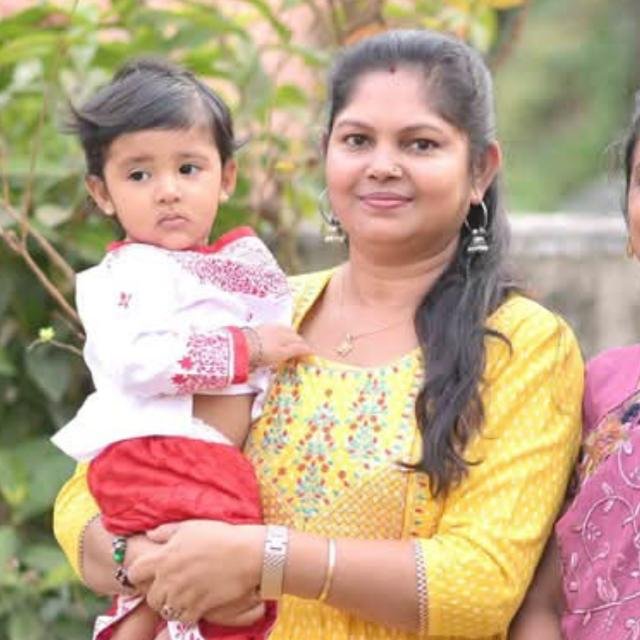
When my son, Imran, was diagnosed with autism at the age of three, my world stood still. As a mom, all I wanted was to make life joyful for my spirited little boy, but I couldn’t ignore the weight of those words: autism spectrum disorder. What did this mean for his future? For ours as a family? I remember sitting in the car after the doctor’s visit, tears streaming down my face, as questions swirled in my mind.
In those early days, I felt a mix of emotions—grief, fear, guilt, and love. Grief for the expectations I didn’t even realize I had. Fear for the unknown challenges that lay ahead. Guilt for wondering if I had somehow failed him. And love—an overwhelming, undeniable love for the beautiful soul that was my son. I knew this wasn’t a time to crumble; it was a time to rise. Imran needed me to be his advocate, his guide, and his biggest cheerleader.
As I began learning about autism, I realized how much I didn’t know. I discovered that it wasn’t about “fixing” Imran but about understanding his unique way of experiencing the world. One of the biggest lessons came when I noticed how he would lose himself in movement. Whether it was swaying to a song on the radio, spinning in circles, or clapping his hands to an imaginary rhythm, movement seemed to bring him peace and joy. It was like his own secret language, and I felt privileged to witness it.
I still remember the first time I saw him light up in a way I hadn’t seen before. It was a quiet afternoon, and I put on some music while sketching designs for my next collection. Imran, then four, began twirling in the living room, his little feet tapping in perfect sync with the beat. He wasn’t just moving—he was dancing, fully immersed, fully himself. At that moment, I realized that while words often eluded him, rhythm didn’t. Movement became his voice, his way of connecting with the world.
This discovery changed everything. I stopped worrying about what he couldn’t do and started celebrating what he could. I introduced him to simple rhythmic activities—clapping games, bouncing on a yoga ball, and later, kids’ dance classes that allowed for free expression. He flourished in these spaces, his joy contagious to everyone around him. Watching him, I found my own sense of rhythm as a mom, learning to adapt, to be patient, and to embrace the unpredictability of our journey.
But it wasn’t always easy. Explaining autism to friends and family often felt like climbing uphill. I’d get questions like, “Will he grow out of it?” or “Are you sure it’s not just a phase?” Those comments stung, but they also gave me a purpose: to educate and advocate. I began sharing our story, starting with small conversations. Slowly, the people around us began to understand and appreciate Imran for who he was—a spirited, creative, and endlessly curious boy.
Inspired by Imran’s love for expression, I started art workshops for children with special needs. Painting had become another outlet for Imran to communicate his feelings, and I wanted other kids to have the same opportunity. These workshops became a space where children and their parents felt seen, understood, and celebrated. I can’t describe the joy of seeing a child light up as they swirl colors on a canvas or the comfort in a parent’s eyes when they realize they’re not alone.
Now, when I look back at that moment in the car three years ago, I smile at how far we’ve come. Autism isn’t a limitation—it’s a different lens through which Imran sees the world. He has taught me to slow down and find beauty in the little things, whether it’s the rhythm of his dancing feet or the vibrant strokes of his paintbrush.
To any parent facing a new diagnosis, I want you to know: it’s okay to feel overwhelmed. It’s okay to grieve. But know this—there is so much joy waiting for you on the other side of those fears. Life with Imran has taught me that challenges aren’t meant to break us; they’re meant to transform us. Together, we’ve found strength in the rhythm of our journey, and it’s a rhythm I wouldn’t trade for anything in the world.