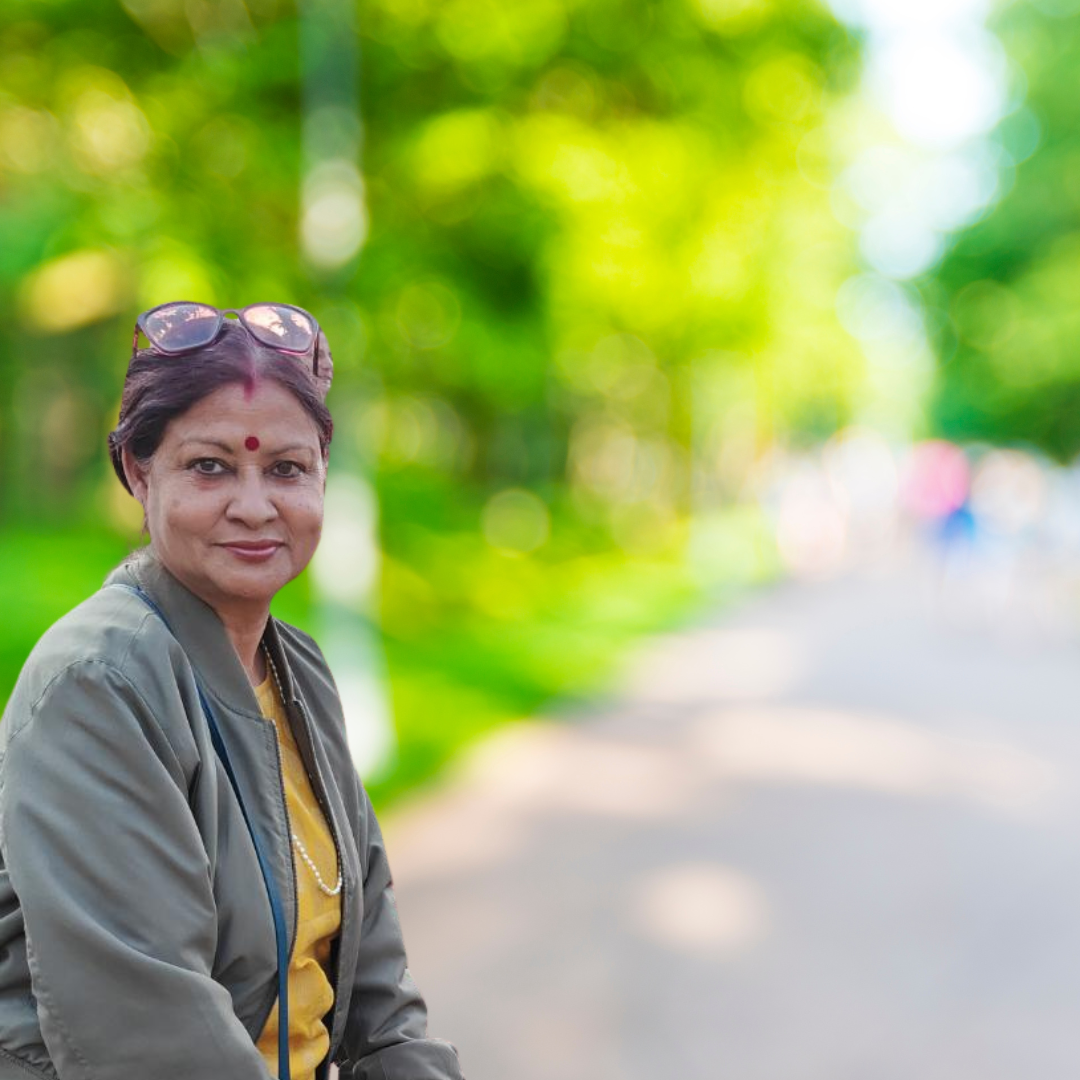
I never imagined my journey as a grandmother would be like this. When my granddaughter, Maya, was diagnosed with autism at the age of three, I felt a storm of emotions—confusion, worry, even fear. As a retired nurse, I understood medical conditions, but this was different. This was my Maya, my precious little girl, and suddenly, the world seemed to be telling us she was "different."
At first, I struggled to understand what this diagnosis meant. Would she ever call me "Dida" with excitement? Would she make friends, share secrets, and chase her dreams? I saw my daughter, overwhelmed with questions, searching for answers, and my heart ached for both of them. I wanted to help, but I didn’t know how.
Then, one day, everything changed.
Maya had always been a quiet child, lost in her own world, but she had a way of expressing herself—through stories. She would scribble little drawings, create characters, and whisper tales to herself. It was in these stories that I saw her world, full of wonder and imagination. I realized then that communication wasn’t just about spoken words. Maya was speaking—just in a different way.
Determined to support her, I joined my daughter in therapy sessions, learned about speech techniques, and practiced alternative communication methods. We introduced picture cards, gestures, and patience. So much patience. Some days were hard. Some days I felt helpless. But slowly, small victories began to shine through.
One evening, as I sat beside Maya while she was drawing, she tapped my hand, looked up at me, and pointed to a picture she had made—a grandmother and a little girl holding hands.
"Dida... story?" she whispered.
It was the first time she had called me that. My heart nearly burst.
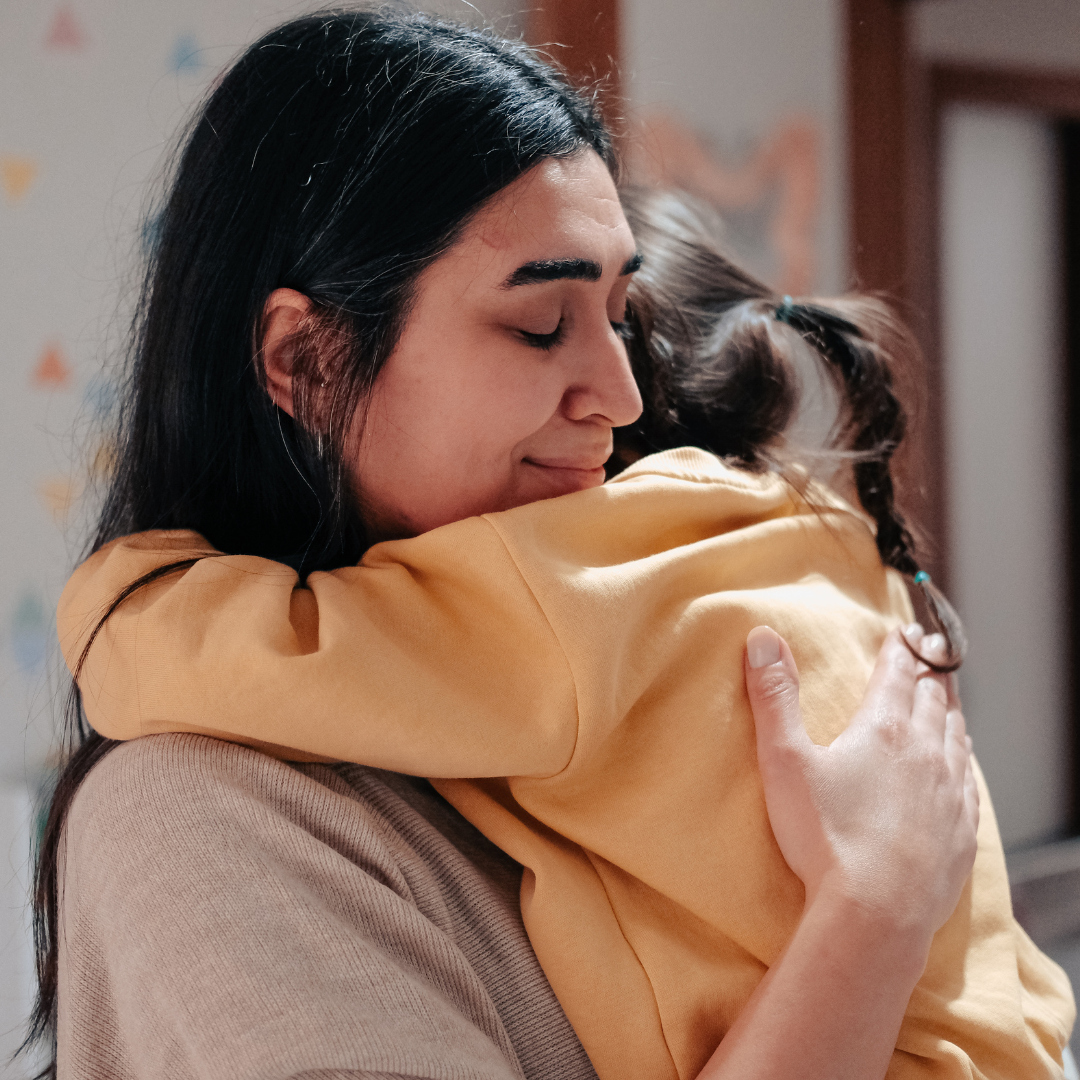
Tears filled my eyes as I hugged her close. It was a moment I had longed for, a milestone more precious than anything I could have wished for. From that day on, we created stories together. She would draw, and I would write down her words. Slowly, her confidence grew, and so did our bond.
Maya taught me that love needs no words. It is in the gentle touches, the shared glances, the quiet understanding. She taught me to celebrate every little victory, from a new word to a new expression, to every beautiful story she brought to life.
Today, I proudly call myself not just Maya’s grandmother, but her biggest advocate. I talk to other grandparents, I share our journey, and I remind them that we are not just caretakers—we are allies. We are voices for our grandkids, and we have the power to create a world where they are understood and embraced.
Maya’s diagnosis was not an ending. It was a beginning—a journey of learning, love, and limitless possibilities. And in her stories, I see a future full of hope.