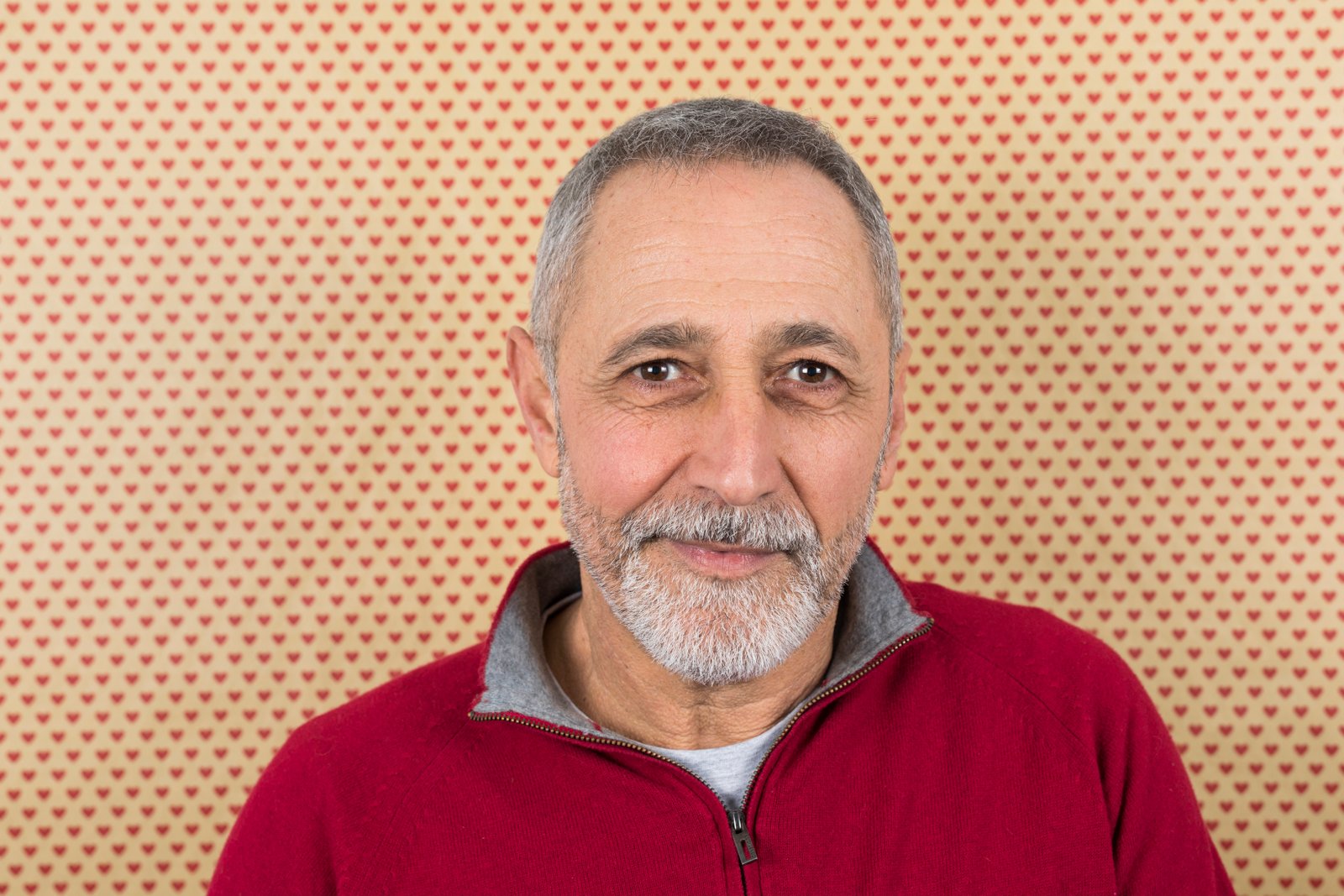
When my grandson Kabir was diagnosed with autism, I didn’t understand it. I come from a world of discipline, structure, and routine—principles that shaped me as a retired army officer. I believed children should listen, obey, and follow instructions without question. But Kabir? He was different.
At first, I struggled. I couldn’t comprehend why he wouldn’t look me in the eye, why he flapped his hands when he was excited, or why he had meltdowns over things that seemed trivial to me. I thought he was just being stubborn when he refused to wear certain clothes or eat foods he used to like. The world I knew—one where structure meant stability—suddenly felt like it was crumbling.
I remember one particular evening when Kabir was about five. I had brought him a remote-control car, thinking he’d be thrilled. But he barely glanced at it. Instead, he sat on the floor, meticulously stacking his LEGO bricks, lost in his own world. “Come on, Kabir! Look at this car! Let’s race it,” I urged, trying to engage him the way I knew best. He didn’t respond. Frustrated, I sighed and stood up, feeling like I had failed to connect with him.
But then, something shifted.
The next day, I decided to sit with him as he built his towers. I watched him carefully select each brick, aligning them with precision. His focus was unwavering, his creativity boundless. For the first time, I saw the world through his eyes—not as a place of rules, but as a place of infinite possibilities. I picked up a brick hesitantly, placed it next to his structure, and waited. He looked at me, not with words, but with a tiny nod. That was my invitation.
Day by day, brick by brick, we built together. And with every structure, I realized something: I was the one who needed to change. Kabir didn’t need to fit into my world—I needed to step into his.
I started reading about autism, talking to other parents and grandparents, and most importantly, listening—to Kabir, to his needs, his struggles, and his silent victories. I learned that his ‘meltdowns’ weren’t misbehavior but an overwhelming flood of emotions. I learned that his ‘obsessions’ were not distractions but passions. And I learned that my role wasn’t to command, but to support.
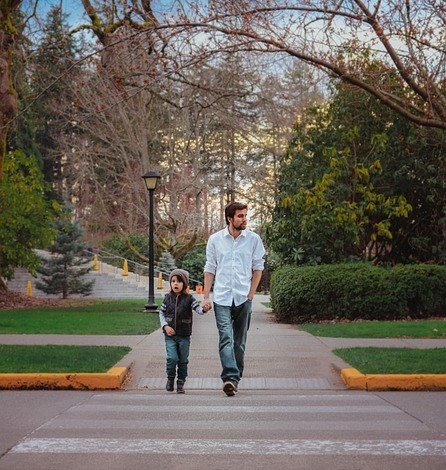
One of our greatest triumphs came on a community outing. Our local park was noisy and crowded—an overwhelming place for Kabir. He clung to me, his small hands gripping mine tightly. Instead of insisting he "be brave" and join the other kids, I knelt beside him and asked, “What do you need, buddy?”
He hesitated, then whispered, “Too loud.”
So, we found a quieter corner, and I took out the small LEGO set I had carried in my pocket. As he started building, his breathing slowed, his body relaxed. Parents around us noticed and soon, a few other children came over, intrigued. That day, I saw something incredible—Kabir, in his own way, had built a bridge.
That moment inspired me to take action. If Kabir thrived in quiet, structured spaces, why couldn’t our community have more of them? I began advocating for autism-friendly play areas, sensory spaces in parks, and awareness programs for other families like ours. I wanted grandparents to know that they didn’t have to be afraid of what they didn’t understand. They just had to be willing to learn.
Today, Kabir and I still build together. But more than castles and towers, we’ve built something far greater—a bond that neither words nor rules could have ever created. I used to think strength came from discipline. But Kabir taught me that true strength lies in patience, in unconditional love, and in breaking down walls—one brick at a time.