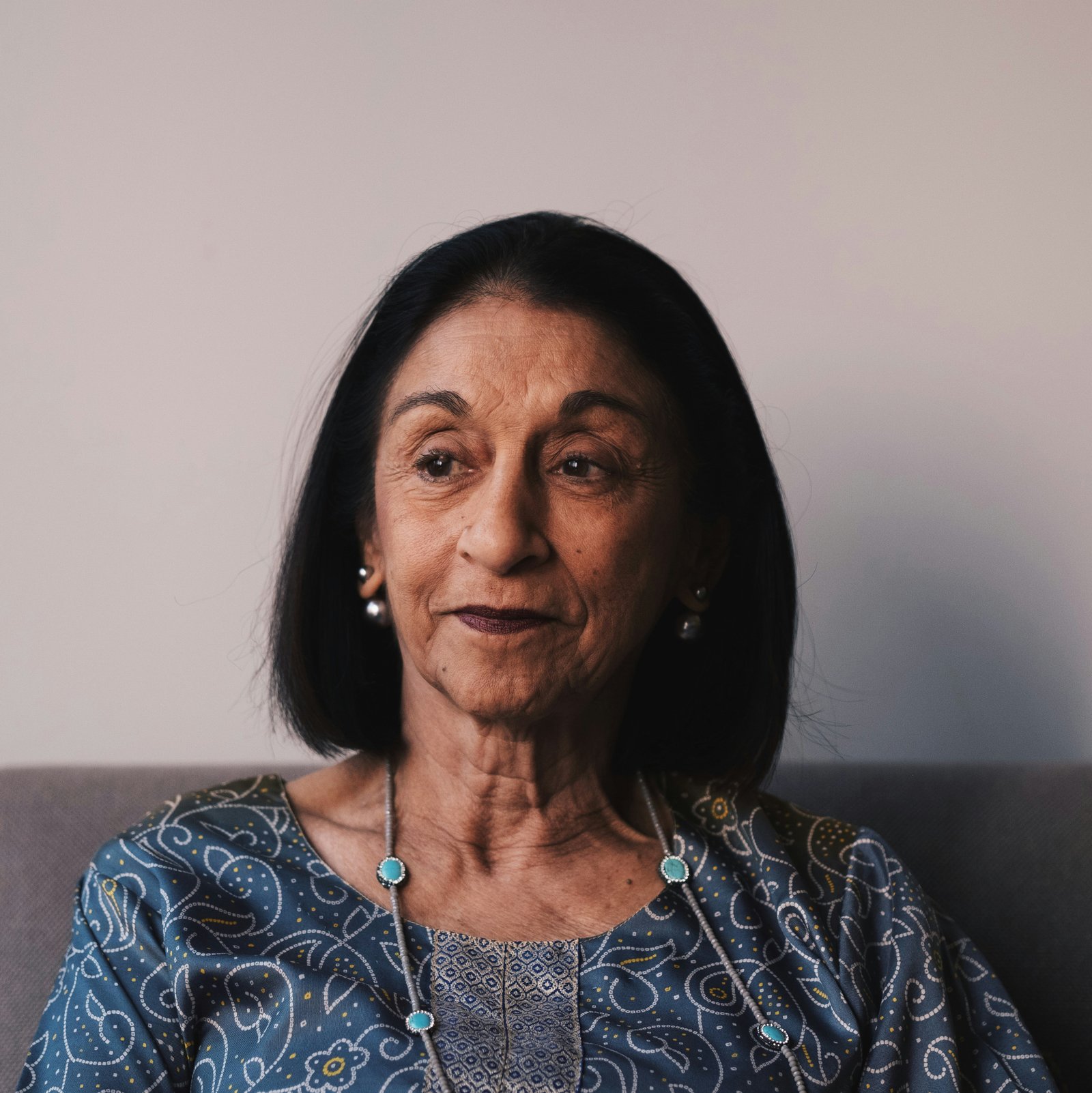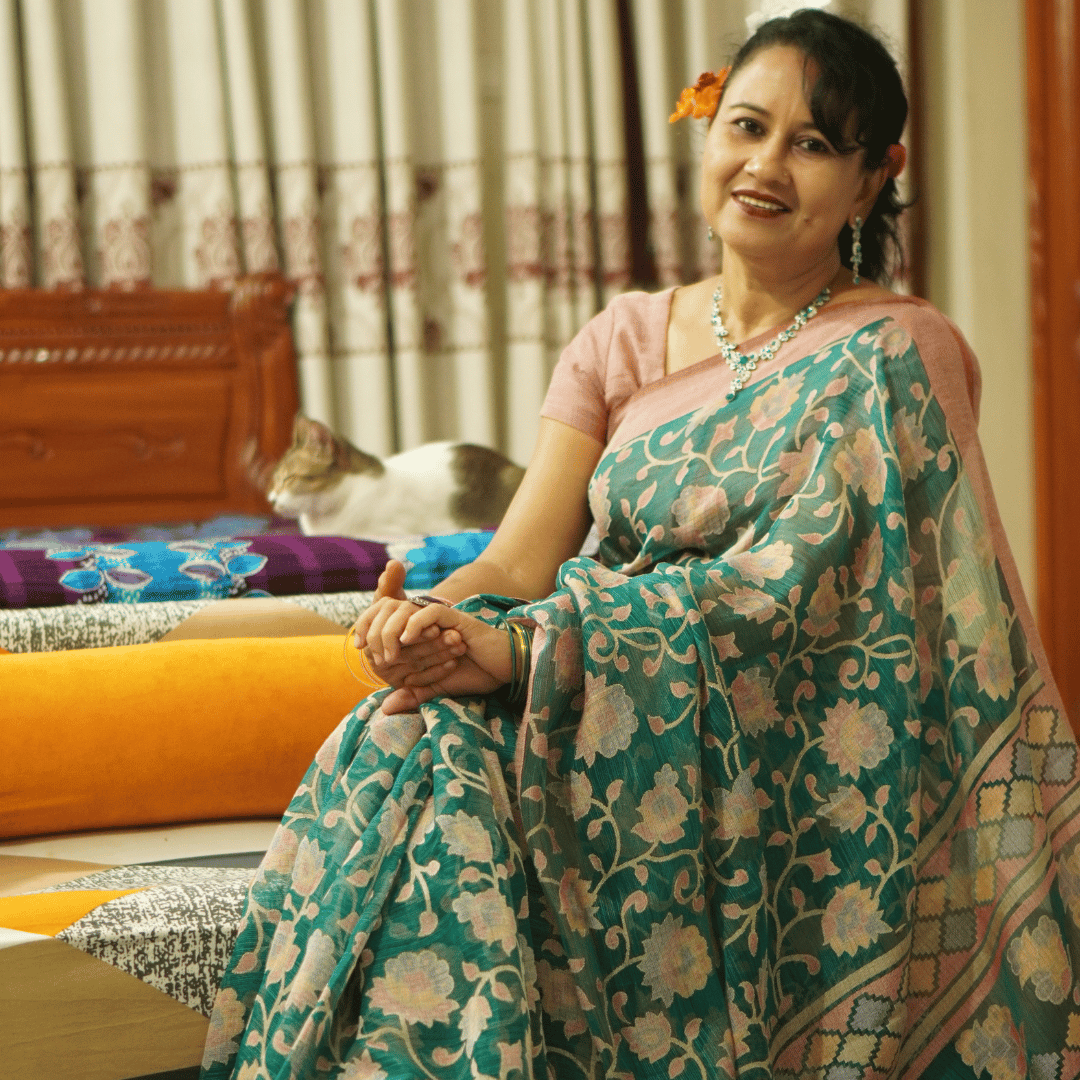

When Meera was diagnosed with autism, a wave of fear washed over me. As her grandmother, I had spent years filling my home with melodies, believing that music could heal any wound. But this? This was different. I worried about the world—how it would perceive her, whether it would understand her.
Then, slowly, I began to see Meera in a new light. She wasn’t lost; she was just dancing to a rhythm the rest of us couldn’t hear.
She found comfort in music, her little fingers tapping out beats on the table, her voice humming tunes she had never been taught. But there was something else that brought her just as much joy—bouncing. Whether it was on the bed, the sofa, or, later, on a trampoline, Meera found pure delight in the up-and-down motion, her laughter ringing through the house like a song.
At first, I didn’t understand. I was a classical singer, trained in the discipline of ragas and rhythm. Meera, on the other hand, was free-spirited—she experienced sound and movement as one. One day, as I watched her jump tirelessly on a trampoline, her eyes shining with unfiltered joy, I had a realization. Music wasn’t just about sound. It was about feeling, about expression. And Meera’s music wasn’t in just melodies—it was in motion, in the rhythm of her bouncing, the beats of her laughter.
So, I stopped trying to fit her into my world and stepped into hers.
I began incorporating music into her bouncing. I played soft tunes while she jumped, adjusting the tempo to match her rhythm. Sometimes, I clapped along, and to my amazement, she responded—pausing momentarily, then bouncing again in perfect timing. It was a conversation, a connection beyond words.
Music became our bridge.
On difficult days, when frustration overtook her, I played her favorite tunes, guiding her to the trampoline. The tension in her little body would ease as she jumped to the familiar beats. It was as if the world’s expectations melted away, leaving only her and the rhythm she understood best.
The real triumph came one evening when we attended a family gathering. Large crowds had always overwhelmed Meera, and I braced myself for the usual struggle. But then, I saw something incredible—someone had set up a small trampoline in the backyard. Without hesitation, Meera ran towards it. She began bouncing, her movements in perfect sync with the music playing in the background. People turned to watch, not with judgment, but with admiration.
“She’s keeping time with the beat,” someone whispered in awe.
That night, I knew—Meera wasn’t just different; she was extraordinary.
Inspired by her journey, I began working with other families, sharing how music could be a gateway for expression. Music therapy became my passion, and Meera, my greatest teacher.
Autism didn’t take anything away from our lives—it gave us a new rhythm, a new way to connect. Today, when I see Meera on her trampoline, lost in her own world, I no longer worry. I simply listen—to the music in her movement, the joy in her laughter, and the unspoken love that binds us together.
Meera may bounce to her own beat, but it’s a melody more beautiful than any I’ve ever sung. And I will always be her biggest cheerleader.