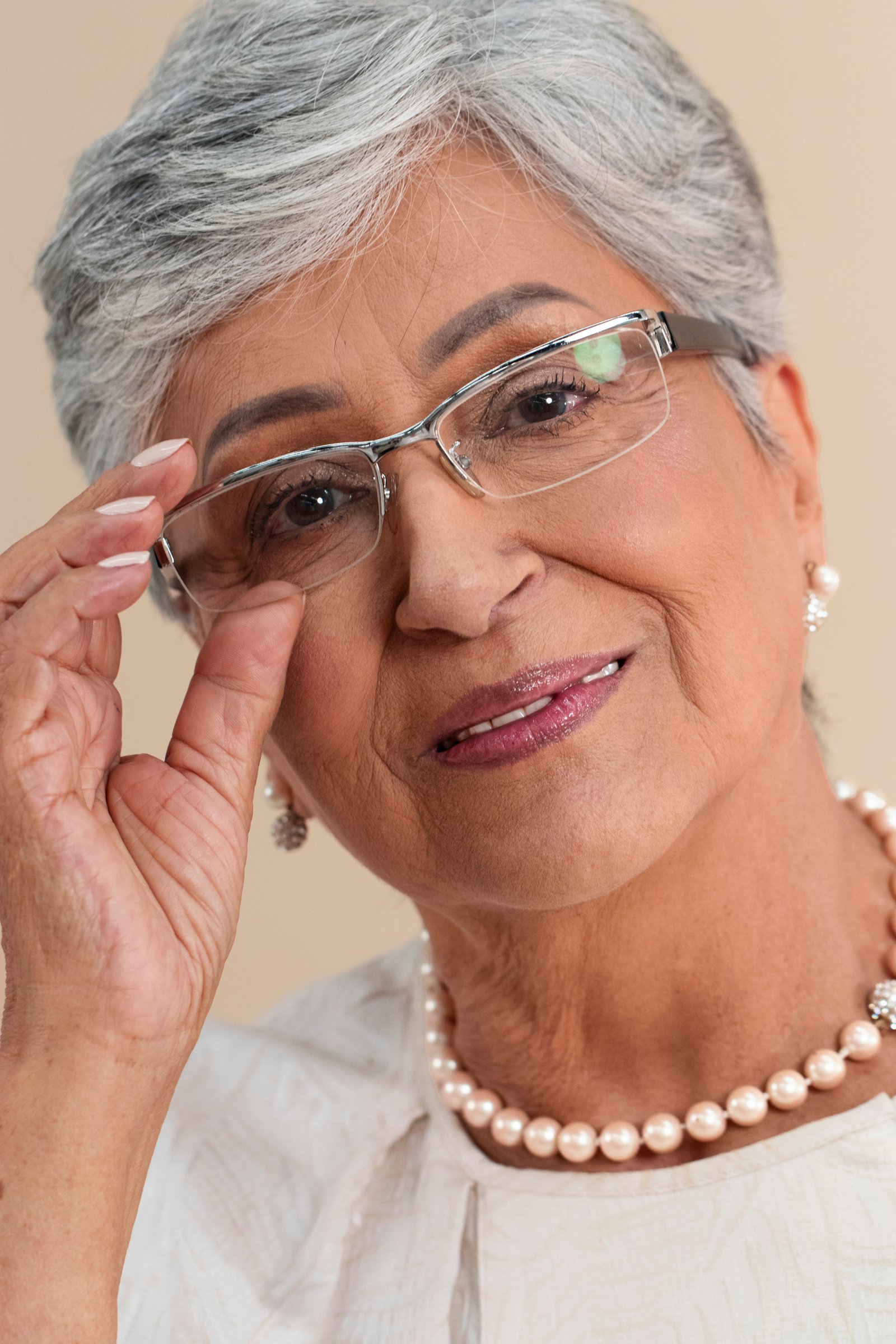
When my grandson Vihaan was first diagnosed with autism, I struggled with silence. As a retired librarian, my life had always been filled with words—stories whispered between pages, knowledge shared in hushed voices, the soft murmur of a child reading for the first time. But Vihaan, my precious boy, didn’t use words the way I had expected. He was nonverbal, and at first, I felt lost.
How would I connect with him? How would I know his thoughts, his dreams, his joys?
I remember the early days, trying to coax words out of him, waiting for a “Dadi” that never came. I read him storybooks, hoping he’d react to the characters, but he would only flip through the pages rapidly, seemingly uninterested. There were moments of frustration, moments of guilt—was I failing him? But then, I realized something. While words weren’t his language, music was.
It started one evening when an old Hindi melody played on the radio. As I hummed along, I noticed Vihaan pause. His body stilled, his head tilted, his eyes sparkled with recognition. And then, ever so gently, he swayed. It was the first time I truly heard him.
Music became our bridge.
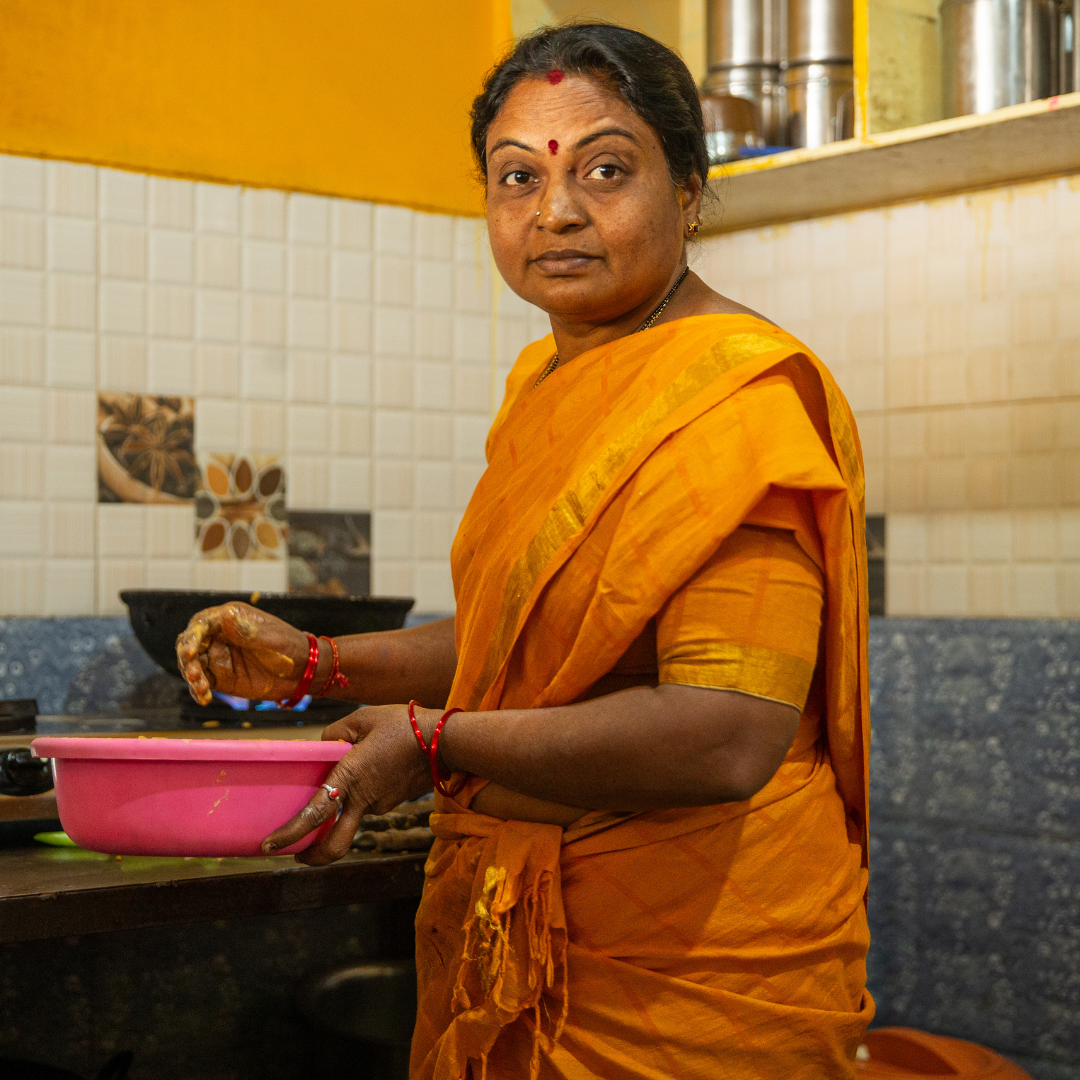
Instead of bedtime stories, I played soft lullabies. Instead of asking him how his day was, I watched him hum little tunes, a melody for happiness, a lower tone for frustration. And then, something magical happened—he started creating his own music. One day, he banged on a steel plate, found its echo fascinating, and soon enough, our kitchen transformed into his first music studio. Wooden spoons became drumsticks, empty containers became tabla, and my heart became his biggest fan.
Our biggest “daily win” came on a morning that seemed just like any other. Vihaan had a small toy keyboard that he often tinkered with, pressing keys at random. That day, I noticed a pattern. He played a familiar tune—my favorite old Gujarati folk song. It wasn’t perfect, but it was there, the rhythm unmistakable. Tears welled in my eyes.
He had been listening. He had been learning. He had been speaking to me all along—through music.
That was the moment I knew I had to do more. If music could be Vihaan’s voice, then every child like him deserved a way to express themselves. I began advocating for inclusive reading and music programs in libraries. If children like Vihaan struggled with words, then libraries should offer spaces where they could explore stories through sounds, visuals, and touch. I started working with local community centers to introduce sensory-friendly storytelling—books accompanied by soft background music, audiobooks with rhythmic beats, and even small instruments for children to interact with as they listened.
Through Vihaan, I learned that love is not just spoken; it is felt, it is played, it is sung.
If you’re a grandparent like me, wondering how to reach into your grandchild’s world, my advice is this—don’t wait for words. Listen to their rhythm, their patterns, their unique ways of connecting. Step into their world, and you will find a melody waiting just for you.
Every day with Vihaan is a song, and together, we are composing a symphony of understanding.