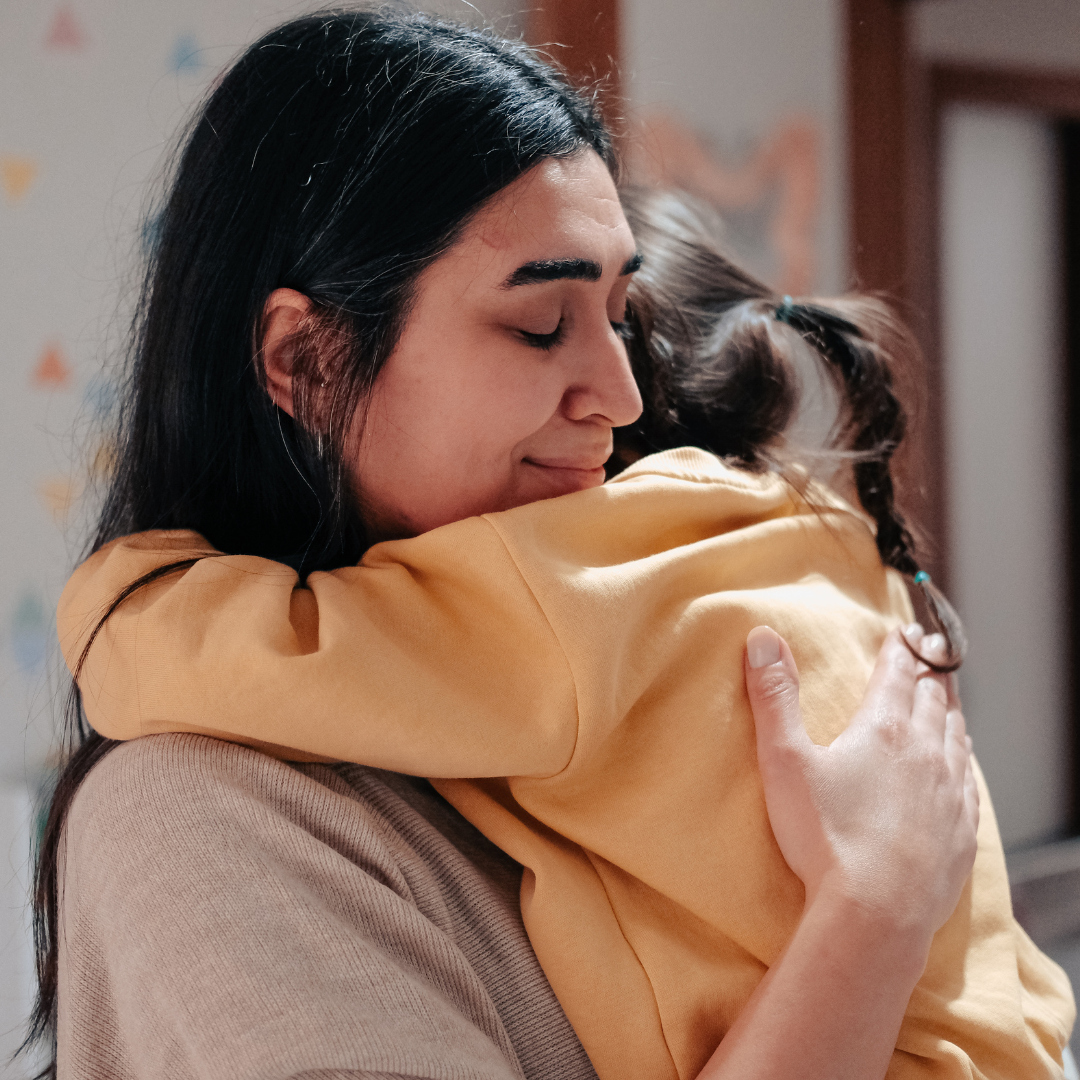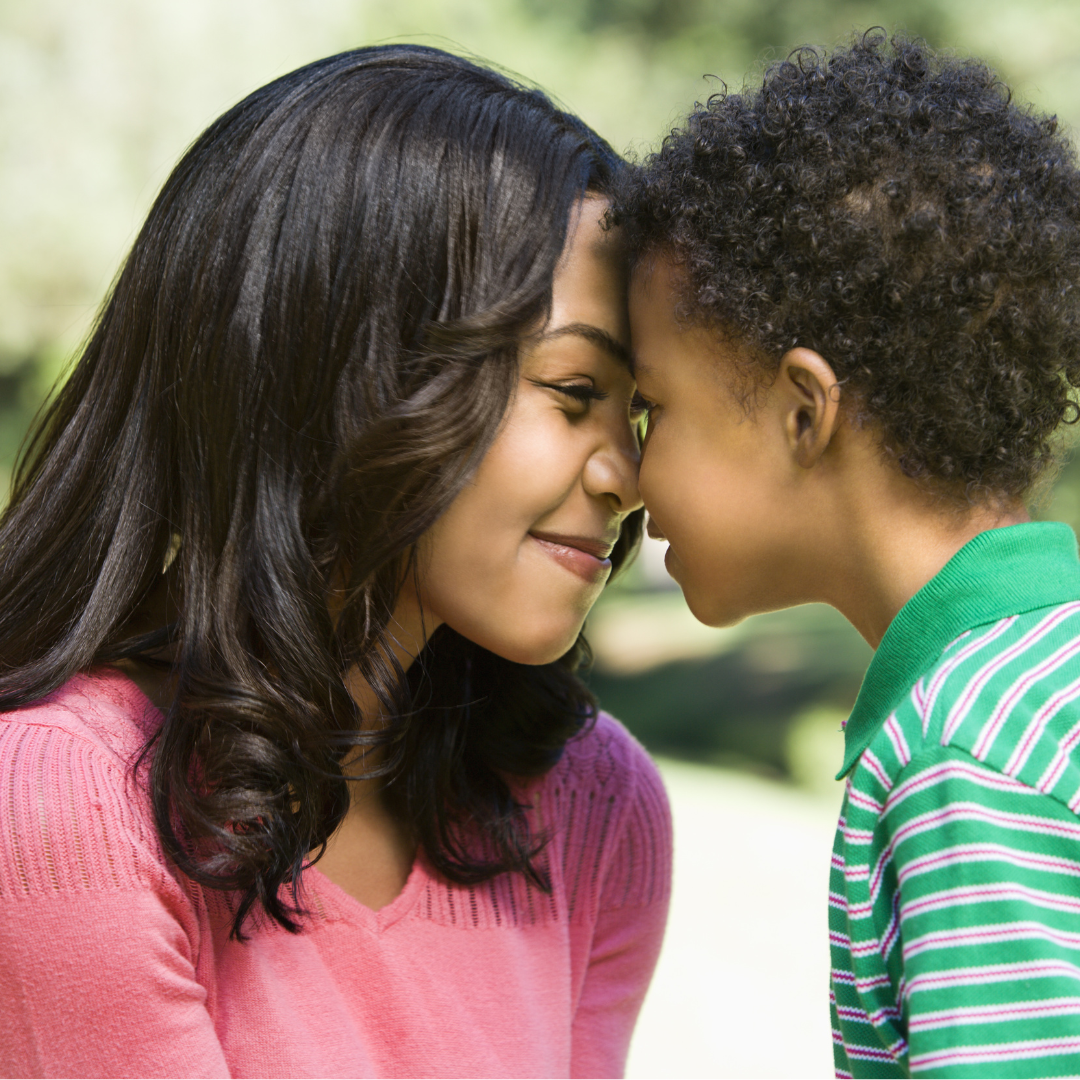

When Tara was diagnosed with autism at three years old, I felt like the ground beneath me had shifted. As an architect, I was used to designing blueprints and constructing spaces with precision, but nothing had prepared me for the uncharted path that lay ahead. The words of the doctor swirled in my head—autism, therapy, intervention. I had no blueprint for this journey, no clear roadmap to follow.
In the early days, I struggled with questions and uncertainties. Would she ever express herself in words? Would she find friends who understood her? Would the world see the bright, beautiful child that I saw? Amidst the whirlwind of therapies and new routines, I found solace in Tara’s small world—one filled with colors, patterns, and an extraordinary love for building blocks.
Tara’s fascination with LEGO bricks started early. While other children might have lost interest after stacking a few blocks, Tara would sit for hours, carefully placing each piece with intense focus. She didn’t just build simple towers; she recreated entire cities from memory, complete with parks, bridges, and tiny homes. Her little fingers moved with precision, her eyes gleaming with excitement as she built structures more intricate than I could have imagined.
At first, I thought it was just a hobby, a way for her to engage with the world in her own way. But as I watched her construct elaborate replicas of places we had visited—down to the smallest details—I realized that this was her language. She was communicating through design, just as I did in my profession. And in that moment, I stopped worrying about the words she wasn’t saying and started listening to the ones she was expressing through her creations.
Tara’s passion for building rekindled something within me. I began designing sensory-friendly spaces, inspired by her needs and experiences. I learned how textures, colors, and lighting could impact a child’s comfort and engagement. What started as small modifications in our home grew into a mission—to create inclusive spaces in schools and homes that embraced neurodivergent children like Tara.
Through this journey, I found a community of parents, educators, and therapists who shared the same dream—of creating a world where differences were celebrated, not merely accommodated. I saw how parents, like me, initially overwhelmed by a diagnosis, could find strength in embracing their child’s unique gifts. Each conversation, each shared story, reminded me that we were not alone.
One day, Tara built a replica of a bridge we had seen on a trip. As she placed the final block, she turned to me and said, “Mom, we built a bridge.” Her words, so simple yet profound, resonated deeply. That’s what this journey had become—a bridge. A bridge between uncertainty and acceptance, fear and hope, isolation and community.
Today, every milestone—whether it’s a new word, a new structure, or a simple moment of shared joy—feels like a victory. Tara has taught me that progress is not measured by typical milestones but by moments of connection and understanding. She has redefined success for me, showing me that sometimes, the greatest achievements come not from following a set path, but from embracing the one uniquely ours.
To parents walking this road, I want you to know—your child’s journey may not look like anyone else’s, and that’s okay. There is beauty in their way of seeing the world. And when you embrace it, you’ll find that they are not just learning from you—you are learning from them, too.
Together, we can build a world where every child feels seen, valued, and celebrated. One block, one bridge, one story at a time.