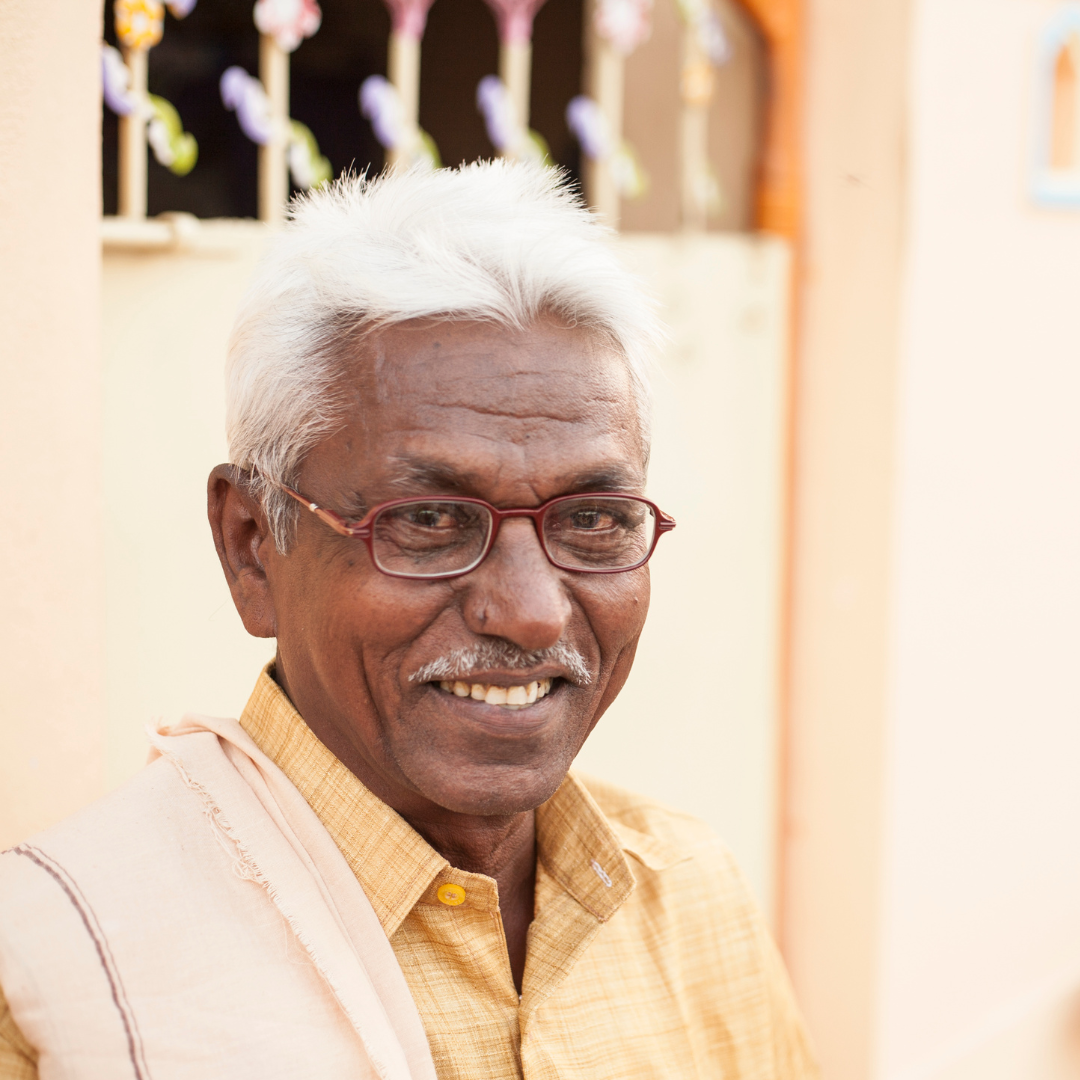
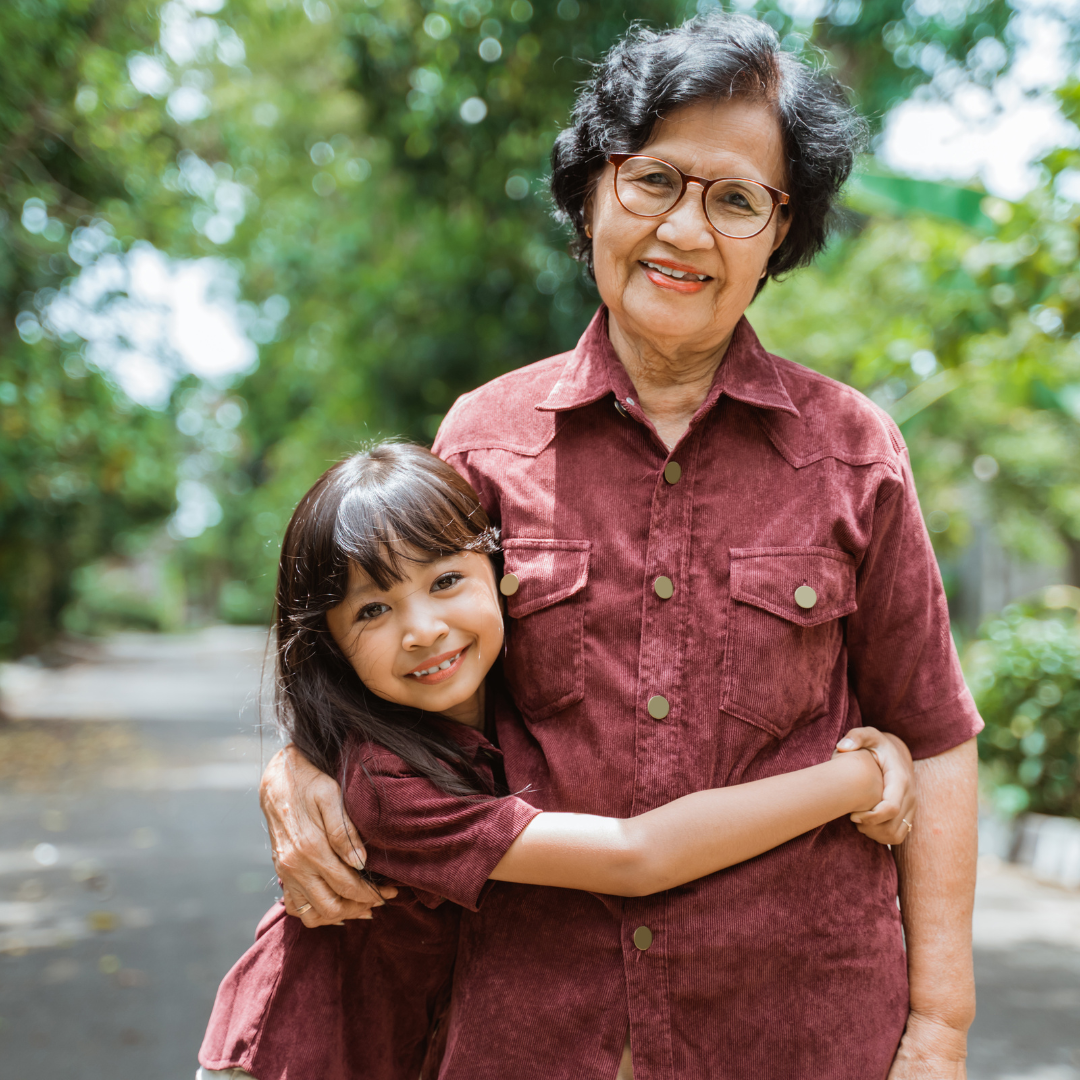
When my granddaughter Meera was diagnosed with autism, I was at a loss. As a retired doctor, I was used to finding solutions—analyzing symptoms, diagnosing conditions, prescribing treatments. But autism wasn’t something to be “fixed.” It was a way of being, a world I had yet to understand.
At first, Meera’s meltdowns overwhelmed me. The loud noises that made her cover her ears, the textures that sent her into tears, the way she would rock back and forth when anxious—I struggled to make sense of it all. My instincts told me to comfort her the way I had soothed my own children, but nothing seemed to work. I felt helpless.
But one thing I had learned from years in medicine was that knowledge dispels fear. So, I began researching autism, devouring every book and medical journal I could find. However, the real learning didn’t come from textbooks—it came from watching Meera, from listening to her in ways that didn’t always involve words.
I discovered her world was rich and beautiful, just different from mine.
One evening, when Meera was around seven, I found her sitting quietly in front of a laptop, her little fingers moving swiftly across the keyboard. The usual restlessness, the fidgeting, the need for constant sensory input—it all disappeared when she was immersed in the screen. Curious, I sat beside her.
“What are you doing, Meera?” I asked gently.
She didn’t look up, but she whispered, “Making something.”
As I watched the screen, I realized she was coding. At seven years old!
I didn’t know much about programming, but I saw the way her eyes sparkled with concentration. The same child who struggled to hold a conversation was now writing lines of code, creating something entirely her own. It was as if she had found her language, a way to express herself without the pressure of words.
That night, I stayed up late researching coding for children. The next day, I enrolled her in an online course designed for young programmers. From then on, her passion only grew. She built small games, designed colorful animations, and even created a simple website about her favorite animals. Every new project was a milestone, not just in her skillset, but in our understanding of her world.
For the first time, I saw the path forward—not one where Meera had to conform to the world, but where the world could make space for her.
Inspired by her journey, I began advocating for sensory-friendly learning spaces in schools. I spoke at parent meetings, urging educators to recognize that intelligence doesn’t always look the same. Some children thrive through words, some through numbers, and some—like Meera—through logic and creativity woven into lines of code.
The moment that truly affirmed our journey came when Meera, at ten years old, designed her own simple game. It was based on a story we had read together—a little bird navigating a big, unpredictable world. The game had obstacles, but with patience and perseverance, the bird always found a way forward.
When I played it for the first time, I had tears in my eyes.
“That’s you, Meera,” I said. “That’s your story.”
She didn’t reply, but she hugged me—tight, for just a few seconds. And in that moment, I knew we had both arrived at a place of peace.
I often tell other grandparents who are just beginning this journey: acceptance isn’t just about making life easier for the child. It brings healing to us as well. Watching Meera thrive in her own way, in her own time, has been the greatest privilege of my life.
And as she continues to break barriers, one line of code at a time, I know without a doubt—she will write her own future, and it will be brilliant.