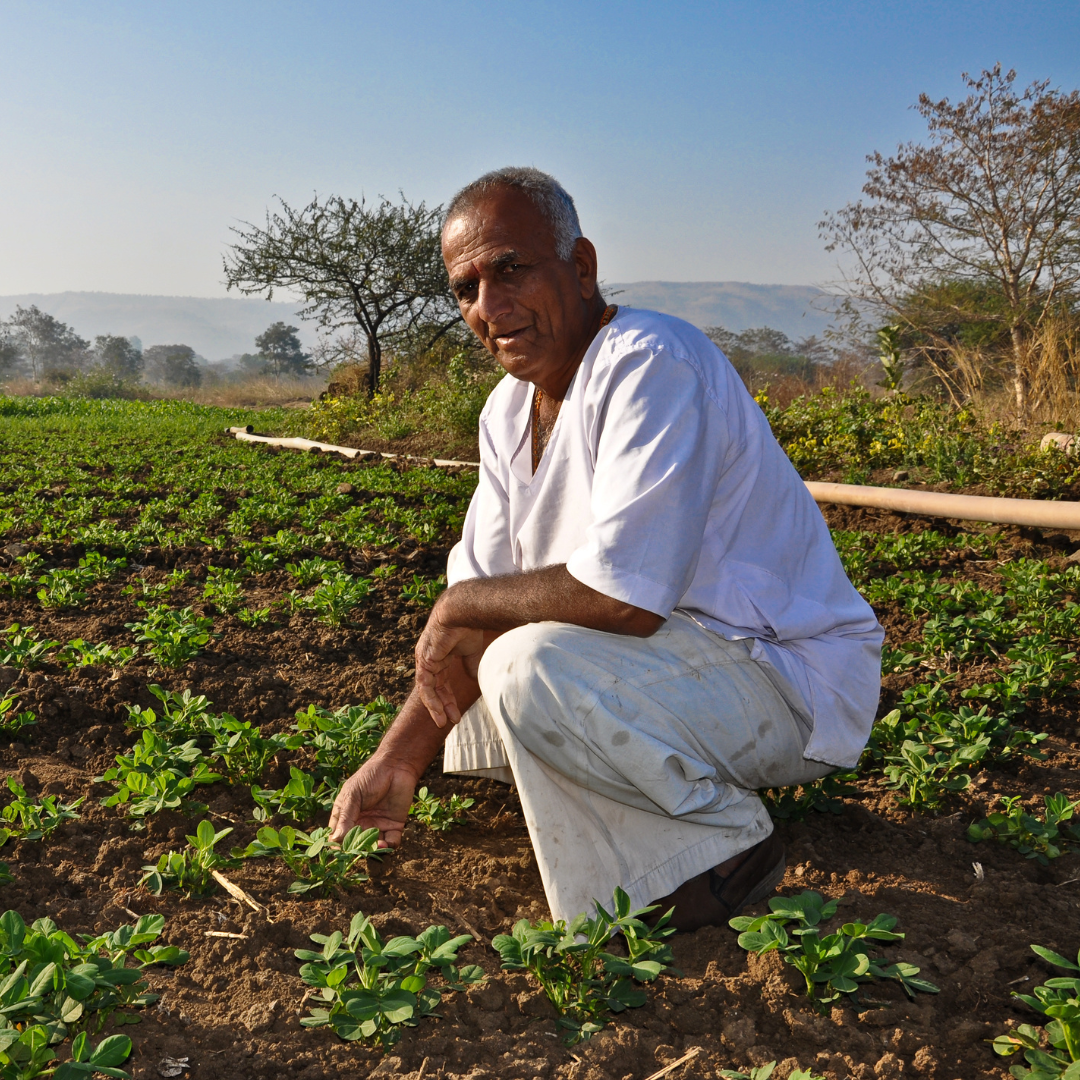
When my grandson Dev was diagnosed with autism, it felt like a storm had swept across our lives, leaving behind more questions than answers. As a farmer in rural Maharashtra, my world had always been simple—go to the fields at sunrise, tend to the crops, and return home to my family. But suddenly, I was faced with something I did not understand.
At first, I struggled. Dev was different from other children in the village. He didn’t respond to his name right away, avoided loud gatherings, and had a world of his own that we couldn’t enter. Family members whispered advice I didn’t ask for. Some said he would “grow out of it,” while others suggested keeping him away from visitors to avoid “awkward situations.” But in my heart, I knew Dev wasn’t someone to be hidden—he was someone to be understood.
I started observing him closely, hoping to find a way to connect. One day, I saw something that changed everything. Dev had wandered into the garden near our house, his tiny hands gently brushing against the leaves of the tomato plants. He wasn’t restless or anxious—he was calm, curious, and completely at peace. He spent hours there, feeling the soil, watching the ants march in a line, and smiling at the sight of butterflies hovering over the flowers.
That moment was a revelation. If the world outside was too loud for Dev, then I would create a world that felt safe for him.
I set aside a quiet space on our farm just for him—a small garden where he could plant, dig, and explore without feeling overwhelmed. It became our sanctuary. Every morning, he would rush to check on his plants, whispering words to the saplings as if they were his friends. He taught me something that no textbook ever could—patience, presence, and the beauty of growing at one’s own pace.
As Dev flourished in his little garden, I found my own fears fading. I no longer saw his autism as a barrier but as a different way of experiencing the world. He wasn’t missing out on life—he was living it in a way that was uniquely his.
Inspired by Dev, I began speaking to other farmers and families in our village. Many had children like Dev but kept them away from social gatherings, fearing judgment. I shared our story, telling them how understanding and small changes—like creating calm spaces or changing how we communicate—could make all the difference. Some listened, some hesitated, but I knew that even one changed heart was a step forward.
Today, Dev and I still spend our mornings in the garden, planting seeds not just in the soil but in the hearts of people around us. Autism didn’t take anything away from our family—it taught us new ways to love, to learn, and to grow together.
One small step at a time, we are making a world of difference. And just like Dev’s garden, acceptance takes time to bloom—but when it does, it is the most beautiful sight of all.