The day we received Arjun’s autism diagnosis, the world seemed to blur around me. As a mother, I had imagined so many things for my child—his first friendships, school adventures, and sibling camaraderie. But suddenly, I wasn’t sure what his future would look like. Would he ever truly connect with others, especially his younger sister, Anaya?
Arjun was three when he was diagnosed, and Anaya was just a newborn. While I struggled to navigate therapies, school accommodations, and the stares of strangers, Anaya grew up watching it all. As she took her first steps, I worried—would she resent the attention Arjun needed? Would she feel lost in his world, or would she find a way in?
By the time Anaya was three, she had already understood something many adults still struggled with—love isn’t about words, eye contact, or grand gestures. It’s about presence. And her presence in Arjun’s life was a miracle I never saw coming.
Music was Arjun’s solace. He could lose himself in melodies, playing his tiny keyboard for hours. And one day, Anaya joined him. She sat beside him on the floor, tiny fingers pressing random keys. Arjun, who often shied away from unpredictable sounds, didn’t push her away. Instead, he listened. And then, in his own way, he played along. It was the first of many duets that would come to define their bond.
As they grew, so did their understanding of each other. Anaya became Arjun’s bridge to the world. At the playground, when other children hesitated to approach him, Anaya took his hand and said, "Come play with us, Anna!" She wasn’t asking for permission; she was simply including him, making room for him in a world that often didn’t.
One evening, I found Anaya holding a toy microphone, singing softly while Arjun played his keyboard. "We’re a band, Amma!" she announced proudly. "Arjun plays, and I sing!" In that moment, I saw it—the unconditional love between them, the acceptance that came so effortlessly to her. Anaya never saw Arjun as different; she simply saw her big brother, the one who made music, the one who hugged her tightly when she was sad, the one who, in his own way, said "I love you" every single day.
Of course, there were challenges. There were days when Arjun’s meltdowns overwhelmed her, when his need for routine clashed with her spontaneous nature. But instead of pulling away, Anaya adapted. She learned to read his cues, to give him space when he needed it and to bring him into her world when he was ready. And in return, Arjun learned to trust her, to let her be his safe space.
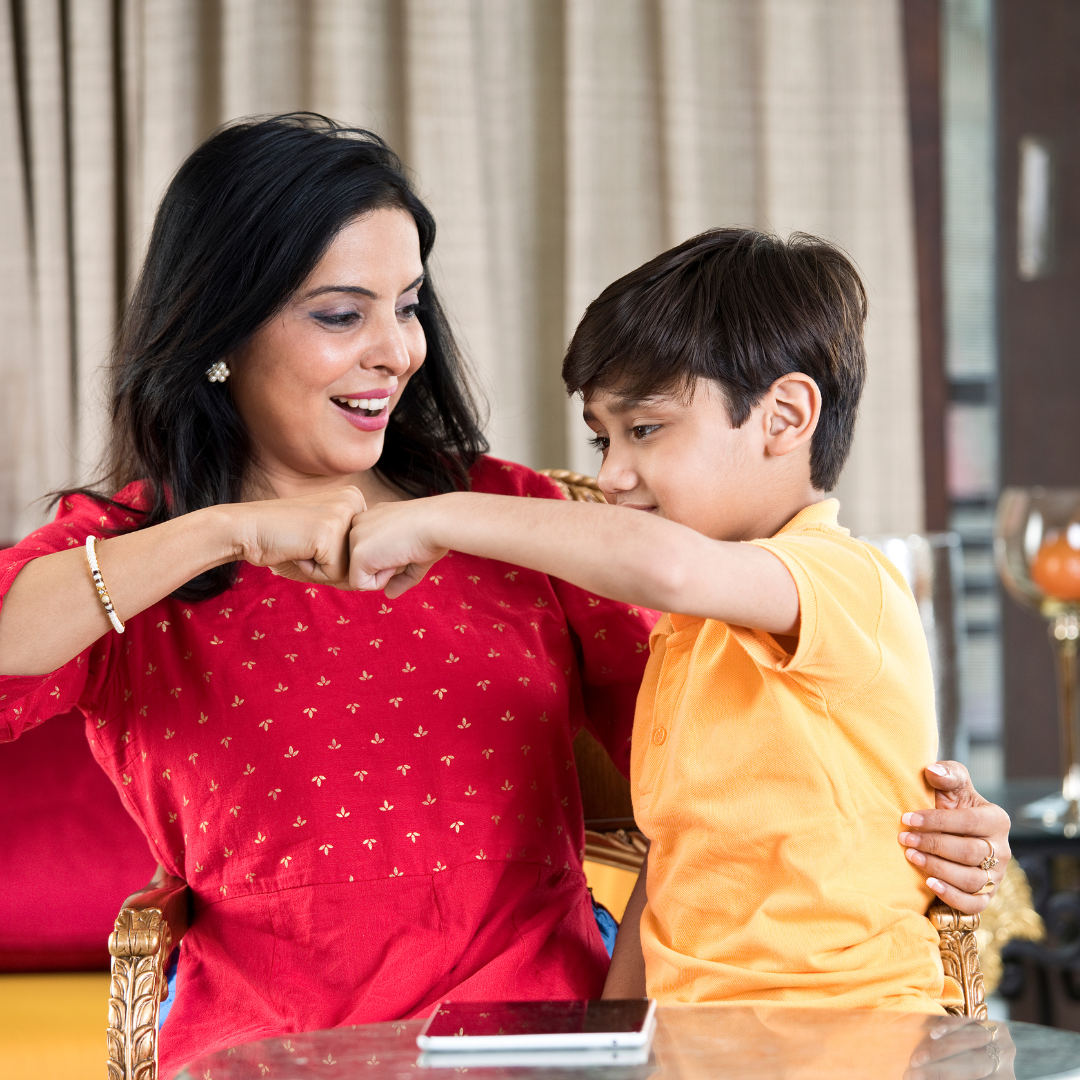
Today, at eight and five, they are inseparable. Anaya is Arjun’s biggest cheerleader, celebrating every small victory—whether it’s a new song he learns or a word he finally says aloud. And Arjun, in his quiet way, shows his love by playing her favorite tunes, by holding her hand when they walk, by simply being there.
When I look at them, I no longer worry about the future in the way I once did. Because I see something stronger than words, stronger than any diagnosis—a bond built on love, music, and unwavering acceptance.
Arjun may have taught me patience and resilience, but Anaya has taught me something even more profound: that the purest form of inclusion is born not from obligation, but from the kind of love that sees no differences, only harmony.
And together, my children create the most beautiful symphony of all.