When my grandson, Rohan, was diagnosed with autism, our family felt like we had stepped into an unfamiliar world. My son and daughter-in-law were overwhelmed with questions, while my wife and I struggled to understand what it truly meant. But it was my granddaughter, Anaya, who taught us all what love and acceptance should look like.
Anaya was just six when Rohan was diagnosed. At first, she didn’t fully grasp why her little brother didn’t always respond to her the way other children did. She would call his name excitedly, but he wouldn’t always look at her. She would try to play games with him, but he would be more interested in lining up his toy cars in a perfect row. At times, I could see the frustration in her eyes, the way she longed for a playmate who would talk back to her, giggle at her jokes, or chase her around the house.
One evening, after watching her patiently attempt to engage him in yet another game, she came to me with tears in her eyes. “Dadu, why doesn’t Rohan play with me? Doesn’t he love me?”
That question broke my heart. How do you explain autism to a child? How do you reassure her that her brother loves her even when he shows it in ways she doesn’t expect? I took a deep breath and pulled her into my lap. “Rohan loves you, beta,” I said gently. “He just sees the world a little differently. You know how some people love to talk a lot, and some people love to listen more? Rohan’s mind is like a puzzle, and we just need to understand the pieces.”
She wiped her tears and frowned in thought. “Like when he lines up his toys just right?”
“Yes,” I nodded. “That makes him happy, just like playing with your dolls makes you happy.”
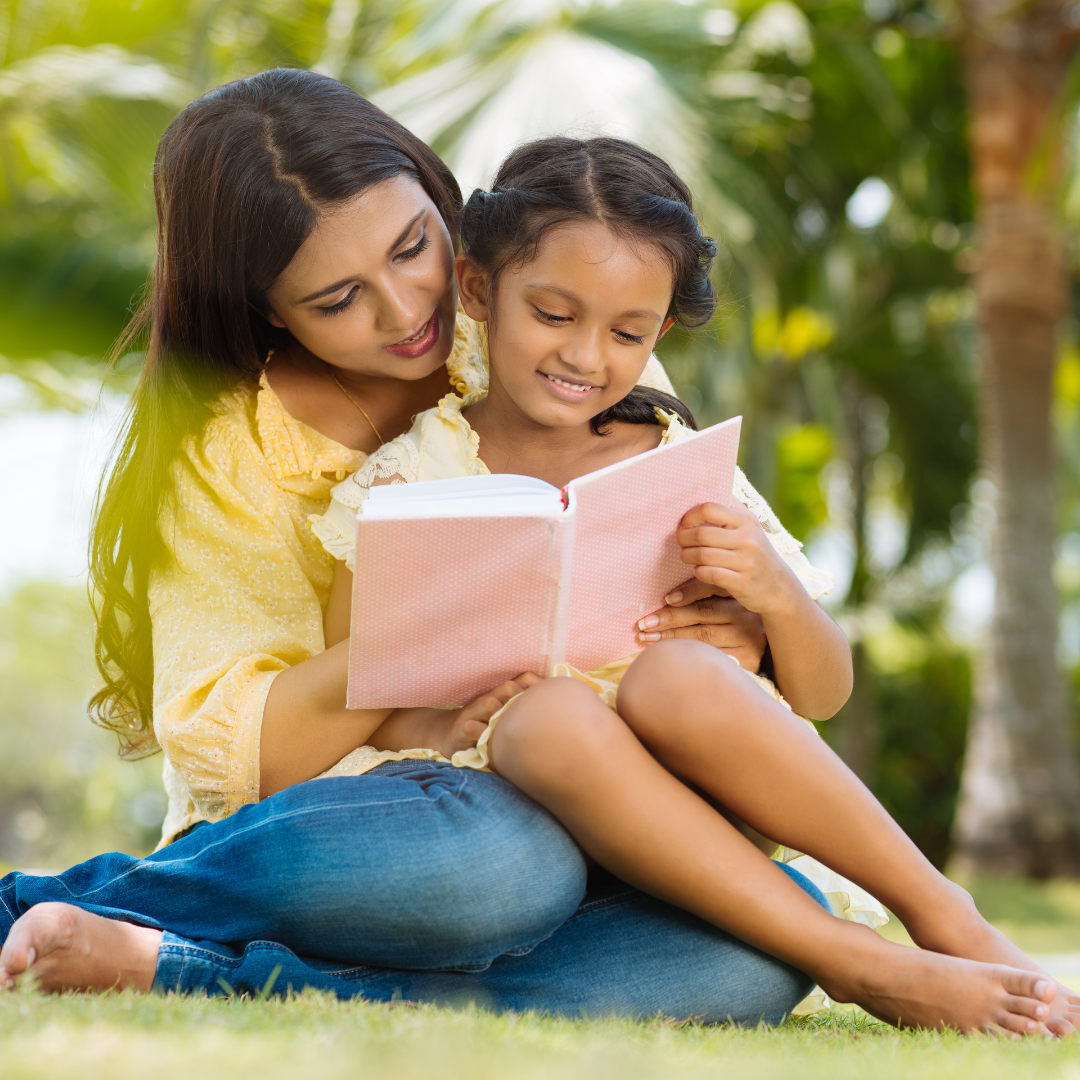
That conversation changed everything. Instead of trying to get Rohan to play her way, Anaya started stepping into his world. She began sorting books with him, placing them in neat stacks by color. She helped him arrange his crayons in perfect rows. Slowly, he started noticing her more. He would smile when she placed a car next to his. He would even hand her a toy sometimes, as if inviting her to be part of his order.
One day, I watched something that brought tears to my eyes. Anaya had set up a long row of blocks, aligning them just as Rohan liked. When he saw it, his face lit up with excitement. He ran to her, took her hand, and pressed it to his cheek—the way he had always shown love. Anaya beamed, and in that moment, I knew she understood.
Their bond only grew stronger after that. Anaya became Rohan’s biggest champion, helping him navigate situations that overwhelmed him. At school, when children stared as he flapped his hands in excitement, she would stand beside him proudly, explaining, “That’s just how my brother shows he’s happy.”
There were challenges, of course. Moments of frustration. Moments where she wished he could talk to her the way other brothers did. But Anaya never let those moments define their relationship. Instead, she found joy in the silent ways he showed his love—the way he sat beside her when she was upset, the way he reached for her hand when he needed comfort, the way he trusted her more than anyone else.
Watching them together, I realized something profound. While we, as adults, spent so much time trying to teach Rohan how to fit into the world, Anaya had done something far more beautiful—she had stepped into his world with open arms.
Today, when I consult with architects to design autism-friendly spaces, I think of Anaya and Rohan. I think of how small changes—a quiet corner, a structured environment, a space that respects neurodiverse needs—can make all the difference. Because every child, like Rohan, deserves to feel safe. And every sibling, like Anaya, deserves to see that their love is returned, even if it looks a little different.
Anaya once told me, “Dadu, Rohan may not talk much, but I always know when he loves me.”
And truly, love needs no words.